Review
ElasticFunnels review (2026)
ElasticFunnels is the pick if you run paid traffic and want your pages, split tests, checkout and attribution on one record, so you can see which ad actually made money. The catch is that it is new, with little independent review coverage yet, so you are trusting the vendor more than a long public track record.
Quick answer
ElasticFunnels is a funnel platform built for teams that run paid traffic. It builds the pages, split-tests them under one URL, hosts the checkout across your merchant accounts, and keeps every session, order, rebill and refund on one timeline with a CRM and attribution, so you can see which ad actually made money.
It is the pick if you buy media and are tired of stitching a page builder, a checkout, a split-tester and an analytics tool together. The honest caveat is that it is new, released in 2026, with little independent review coverage yet, so you are trusting the vendor more than a long public track record. For a founder who only needs one simple page, it is more platform than the job requires.
If you run ads, you know the tax nobody quotes you: the hours spent reconciling four tools that do not agree. The page builder says one thing, the checkout another, the ad platform a third, and by the time you have exported all three into a spreadsheet, the answer to the only question that matters, which ad made money, is a day old.
ElasticFunnels was built to remove that step. It is a newer platform, launched in 2026 by a founder who spent years inside direct-response marketing, and it puts the pages, the split tests, the checkout, the CRM and the attribution on one data layer. This review is about what that actually buys you, what it costs, and the one caveat that comes with any tool this new.
ElasticFunnels sits alongside the tools most media buyers already know: ClickFunnels and GoHighLevel on funnels, Kartra as a bundle, SamCart on the checkout, and Systeme.io at the budget end. Where it argues it is different is holding all of that on one record. We put it head to head with ClickFunnels, GoHighLevel, Kartra and the rest on the alternatives page.
What works
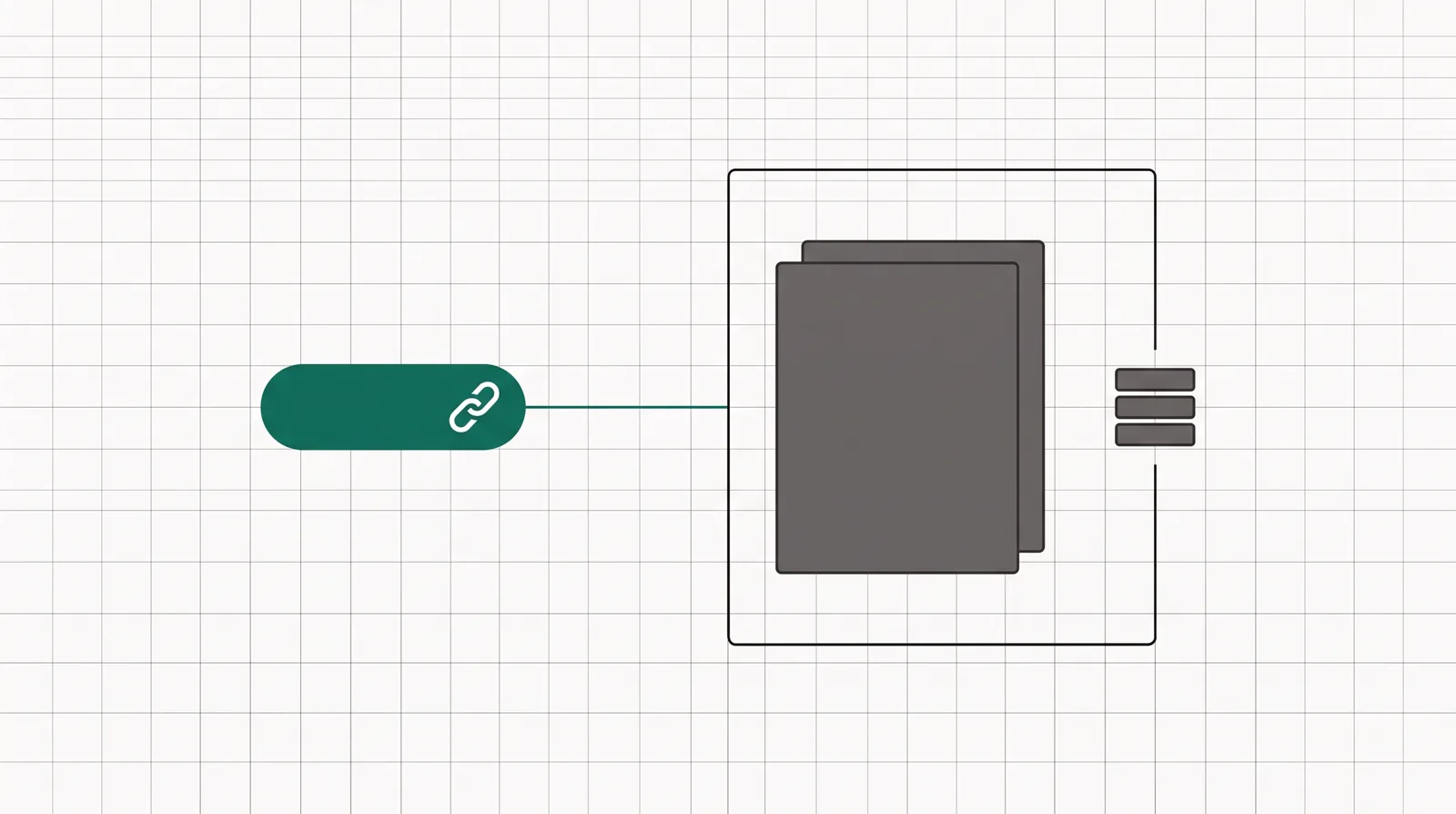
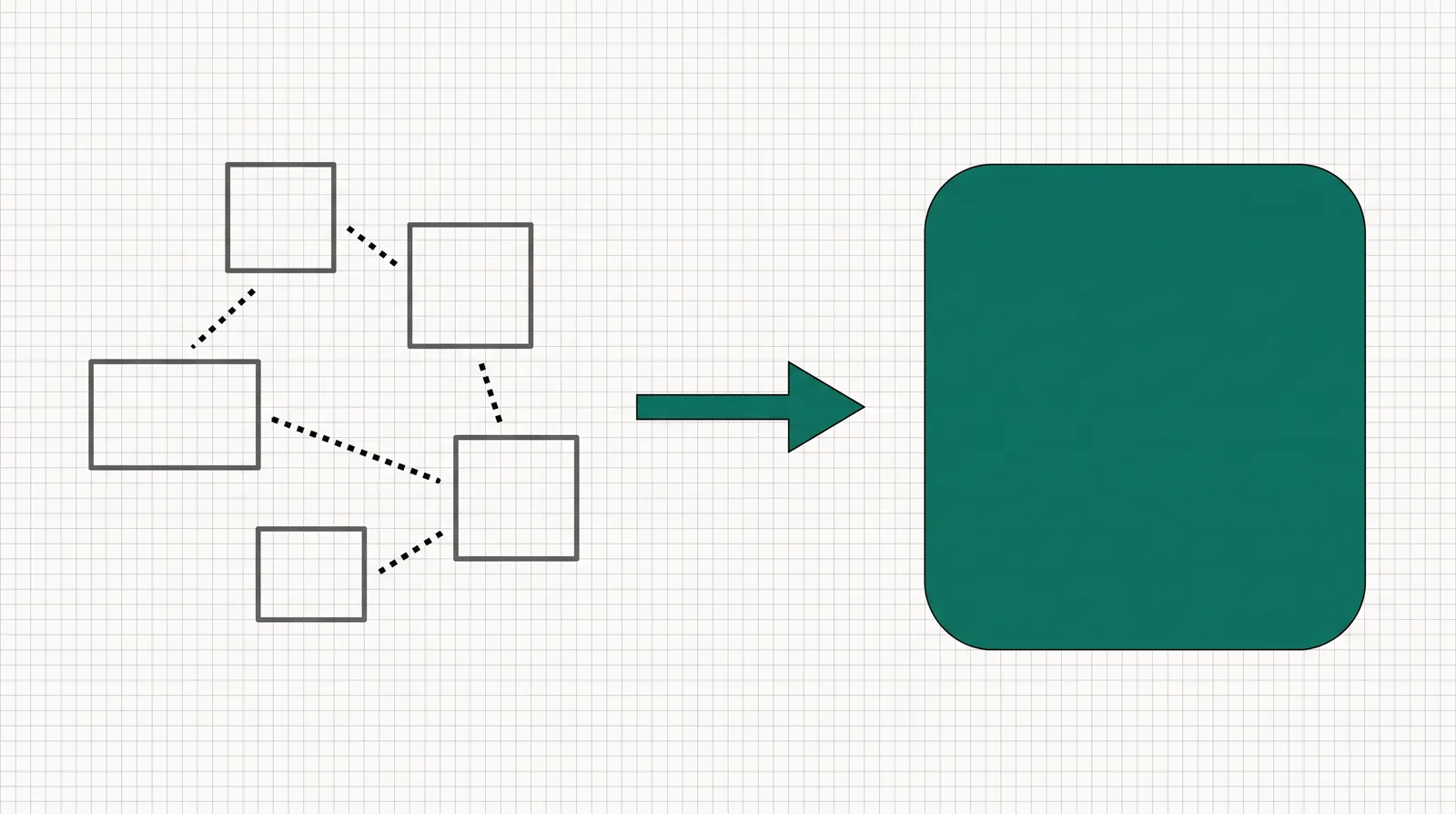
- It replaces the stack a paid-traffic team usually stitches together, a page builder, a checkout, a split-tester, a CRM and an analytics tool. A click, an order, a rebill and a refund land on one record, so nobody reconciles four exports to see which angle really made money.
- Same-URL split testing is the reason most teams move to it. Variants rotate server-side under one campaign link, so Meta, Google and TikTok keep their learning and a test never sends the ad back through review.
- Every feature is on every plan. The $97 Starter has the same split testing, checkout, CRM, call center and analytics as the $497 Scale; the plans only differ by traffic, brands and domains, so no feature is locked behind a higher tier.
- The checkout is built for direct response: order bumps, one-click upsells, subscriptions and weighted routing across several merchant accounts, with the AI page builder able to write a page from a prompt or clone one from a URL.
- Attribution ties each order, rebill and refund back to the ad, page and variant that produced it, so you judge angles on profit after the refunds land, not on clicks.
What to watch
- It is new, released in 2026, and there is very little independent review coverage to check its claims against. Until you run real volume through it you are largely taking the vendor's word for it. That is what you would expect of a platform this new, and the tools it competes with have years of public reviews behind them.
- It is priced for teams already buying traffic. Starter is $97 a month, so a founder who only needs one simple page and no split testing will find cheaper, lighter tools a better fit for that narrower job.
- There is a 0.5% fee on revenue taken through an ElasticFunnels-hosted checkout. At volume that is a real line item, though it never touches sales you run through networks like ClickBank or BuyGoods.
- It is focused on paid traffic and direct response, so a pure content or SEO site will lean on its page builder and CRM more than on its split testing and multi-account checkout routing.
The reviews, weighed up
This is the part where a review normally weighs dozens of long-term user reports. With ElasticFunnels we cannot, and that is the most important thing to know before you buy. It is new, and independent coverage is still thin. The directory reviews that exist, from ColdIQ and Hans Dekker, are broadly positive; ColdIQ calls it a pro-grade visual builder
, and both frame it as a way to replace several separate tools. Neither is a long-term account from a team that has run real budget through it for a year.
So we have judged it the way we judge any new tool: against what the vendor documents and what it charges, both of which we verified against its own site. The capability is real and specific, especially the same-URL split testing. What is not yet provable from the outside is how it holds up at scale over months. If a long public record is what makes you comfortable, that is the honest reason to wait, or to pick an older tool.
What ElasticFunnels costs
Three plans, every feature on all of them, priced by traffic rather than by feature.
| Plan | Monthly | Yearly | What you get |
|---|---|---|---|
| Starter | $97 | Monthly | 50K visits/mo, 3 brands, 5 domains, 10K automation runs, 10 team members. Every feature. |
| Growth | $197 | Monthly | 250K visits/mo, 10 brands, 15 domains, 50K automation runs, 20 team members. Most popular. |
| Scale | $497 | Monthly | 500K visits/mo, unlimited brands, 50 domains, 200K automation runs, unlimited team members. |
ElasticFunnels prices by how much traffic you send, not by which features you get. Starter, Growth and Scale all include the same pages, split testing, checkout, CRM, call center and analytics; the plans differ by monthly visits, brands, domains, automation runs and team members. There is a 14-day trial and no card is required to start.
The one fee to watch is 0.5% on revenue taken through an ElasticFunnels-hosted checkout. Sales you run through networks like ClickBank or BuyGoods do not pass through it and are not charged. For the full breakdown, see our ElasticFunnels pricing guide.
Changelog
Frequently asked questions
What is ElasticFunnels?
Who is ElasticFunnels for?
How much does ElasticFunnels cost?
Does ElasticFunnels have a free trial?
What is same-URL split testing?
What is the 0.5% checkout fee?
Is it safe to build on a platform this new?
Can I move my funnels from ClickFunnels?
What we read
From ElasticFunnels
Related reading
See how it stacks up against the field in the best funnel tools for startups, or where teams weigh leaving it in ElasticFunnels alternatives. For the money detail, read the pricing guide, and see how we judge every tool in our method.

Written by
Marta Ovalle
Editor, funnel & checkout tools
Marta Ovalle leads Funnel Critic's coverage of funnel builders and checkout platforms. She reads the long-running threads where operators compare tools after months of live ad spend, cross-checks every claim against the vendor's own docs and pricing pages, and confirms prices with each vendor before a verdict goes live. She writes most of the roundups and pricing pages, and she decides when a ranking changes.
Last checked 2026-09-29