The best funnel tools for startups
Funnel builders, landing page builders and checkout tools, ranked for a startup that buys traffic.
This page ranks funnel builders, landing page builders and checkout tools for a startup that buys traffic. The list is ordered. The top slot is the paid-traffic stack. Further down, each of these gets a winner and a runner-up: a Shopify store, a WordPress site, an affiliate offer, a Google Ads campaign, lead generation and a small business.
The best funnel builder is the one that still makes sense after you have shipped ten pages, wired a real checkout, and pointed live ad budget at it. Match the pick to your situation, and read the limit named on that pick before you sign up.
Holiday billing is a separate question from the ranking. Funnel tool Black Friday deals 2026 lists the annual price each vendor publishes, and whether a named 2026 sale is on that vendor's own page. What a discounted first year costs once it renews is the first-year sale calculator.
Each verdict draws on long-term user threads, such as r/PPC comparing Unbounce and Leadpages, and on the vendors' own documentation, such as GoHighLevel's guide to static landing pages.
| Tool | Best for | From | Free trial | From |
|---|---|---|---|---|
| 1. ElasticFunnels | –Unknown | –Unknown | –Unknown | $97/mo |
| 2. GoHighLevel | –Unknown | –Unknown | –Unknown | $97/mo |
| 3. Systeme.io | –Unknown | –Unknown | –Unknown | Free tier |
| 4. Leadpages | –Unknown | –Unknown | –Unknown | $67/mo |
| 5. Kartra | –Unknown | –Unknown | –Unknown | $59/mo |
| 6. ClickFunnels | –Unknown | –Unknown | –Unknown | $97/mo |
| 7. Unbounce | –Unknown | –Unknown | –Unknown | $29/mo |
| 8. Kajabi | –Unknown | –Unknown | –Unknown | $143/mo |
| 9. Instapage | –Unknown | –Unknown | –Unknown | $99/mo |
| 10. SamCart | –Unknown | –Unknown | –Unknown | $79/mo |
| 11. ThriveCart | –Unknown | –Unknown | –Unknown | $37/mo |
| 12. Landingi | –Unknown | –Unknown | –Unknown | $24/mo |
| Plan | Price | Includes |
|---|---|---|
| Unbounce Starter | $29/mo | One campaign, 500 visitors, no A/B tests, no text replacement |
| Unbounce Build | $99/mo | No A/B tests, visitor cap of 20,000 a month |
| Unbounce Experiment | $149/mo | A/B tests and text replacement, up to 30,000 visitors. $112 billed yearly |
| Unbounce Optimize | $249/mo | Smart Traffic on top of Experiment |
| Leadpages Grow | $67/mo | Text replacement, manual A/B tests, four domains, enrichment quotas |
| Leadpages Optimize | $135/mo | Smart Traffic, and still no visitor cap |
| PageFly Optimize | $39/mo | First PageFly plan with A/B testing, inside Shopify |
| GemPages Build | $29/mo | Unlimited published pages, testing left for a later plan |
| Kartra Essentials | $59/mo | 500 contacts, 5 pages, 5% transaction fee |
| Kartra Starter | $119/mo | Removes the transaction fee |
| Kartra Growth | $229/mo | Automations and affiliate management |
| Thrive Suite | $299, then $599 | First year, then the renewal. A quarterly bill is $149. Up to five sites |
| CartFlows Starter | $99, then $149 | First year, then the renewal. Order bumps, one-click upsells, A/B testing |
| ElasticFunnels Starter | $97/mo | 50,000 page views. Bumps and upsells on every plan. 0.5% on its own gateways. $937 a year |
| SamCart Core | $79/mo | 7-day trial. Bumps and upsells wait for Pro |
| SamCart Pro | $199/mo | Bumps, 1-click upsells, A/B tests, Subscription Saver, affiliates |
| ThriveCart Standard | $37/mo annual | Or $47 monthly. Bumps, upsells, checkout A/B. 30-day trial. No ThriveCart sales fee |
| ThriveCart Pro+ | $67/mo annual | Or $87 monthly. Multiple bumps, affiliates, subscription dunning |
Who each type of tool suits
The founder who wants one login. A single platform keeps pages, checkout, CRM and reporting on one record, so you trade a little polish for never reconciling four exports. For a team that already buys paid traffic, our pick here is ElasticFunnels. It builds the pages, including an AI builder that writes one from a prompt or clones an existing page from its URL, hosts the checkout with order bumps, one-click upsells and subscriptions, can split a first sale across NMI merchant accounts, and keeps every session, order, rebill and refund on one timeline with a CRM and call center on the same data. The reason most media buyers move to it is its same-URL split testing: variants rotate server-side under one campaign link, so Meta, Google and TikTok keep their learning and a test never sends the ad back through review. Every feature is on every plan, and the trial runs 14 days with no card. The one fee to watch is 0.5% on revenue taken through its own checkout; sales on networks like ClickBank or BuyGoods are not charged.
Where ElasticFunnels is the harder call. It is newer than the platforms it competes with, and there is very little independent third-party review coverage to check its claims against. Until you run real volume through it, you are largely taking the vendor's word for it. The page tests are for any team buying traffic. The weighted split of a first sale is for buyers running more than one NMI merchant account. Stripe, PayPal, Klarna and Authorize.net stay one account each, so a solo founder on a single gateway will lean on the page builder and the checkout more than on that split. The platforms it is weighed against, among them ClickFunnels and GoHighLevel, have years of public reviews behind them.
The founder on a tight budget. A budget starter gets you live cheaply, as long as you watch the per-transaction fees and the price of the next tier. Cheap to start is not the same as cheap at scale.
The team that only needs pages. If your checkout is already sorted, a dedicated landing page builder gives you faster, more testable pages than a bundle usually will. The landing page split-test picks rank those builders by what happens to the ad's destination.
The seller of digital products. A PDF, a course or a template leaks the second sale when the cart has no bump, the upsell asks for the card again, or the ads and the order live apart. The digital-product checkout picks judge the cart first, then whether lessons and email have to share that login.
The agency or multi-client operator. Running many funnels or client accounts rewards a platform built for it, so you are not paying per seat and per login for every client.
Best landing page builders for Google Ads campaigns
You are paying per click, and Google grades the page those clicks land on. Unbounce's own Google Ads primer spells it out: Quality Score improves as your keywords get more relevant to the offer, your ad gets more targeted, and your landing page matches your ad better. So the question is narrower than which builder has the nicest templates. Which one lets you match the page to the search, load it fast on a phone, test it without disturbing the campaign, and see which clicks paid you back?
Practitioners boil it down the same way. In an r/PPC thread on landing page experience, the advice was search intent first, then speed. In r/googleads, one advertiser who worked on their scores found that anything much over three seconds on mobile seemed to cap them. Speed depends on what you put on the page, so the builder choice comes down to the other three levers: message match, how the test is run, and where the conversion is recorded.
Quick answer. The best landing page builder for Google Ads, when the sale has to be reported against the click, is ElasticFunnels. The upload carries the gclid, and the test keeps one final URL. Leadpages takes the form-fill campaign, where the headline should repeat the keyword from the ad.
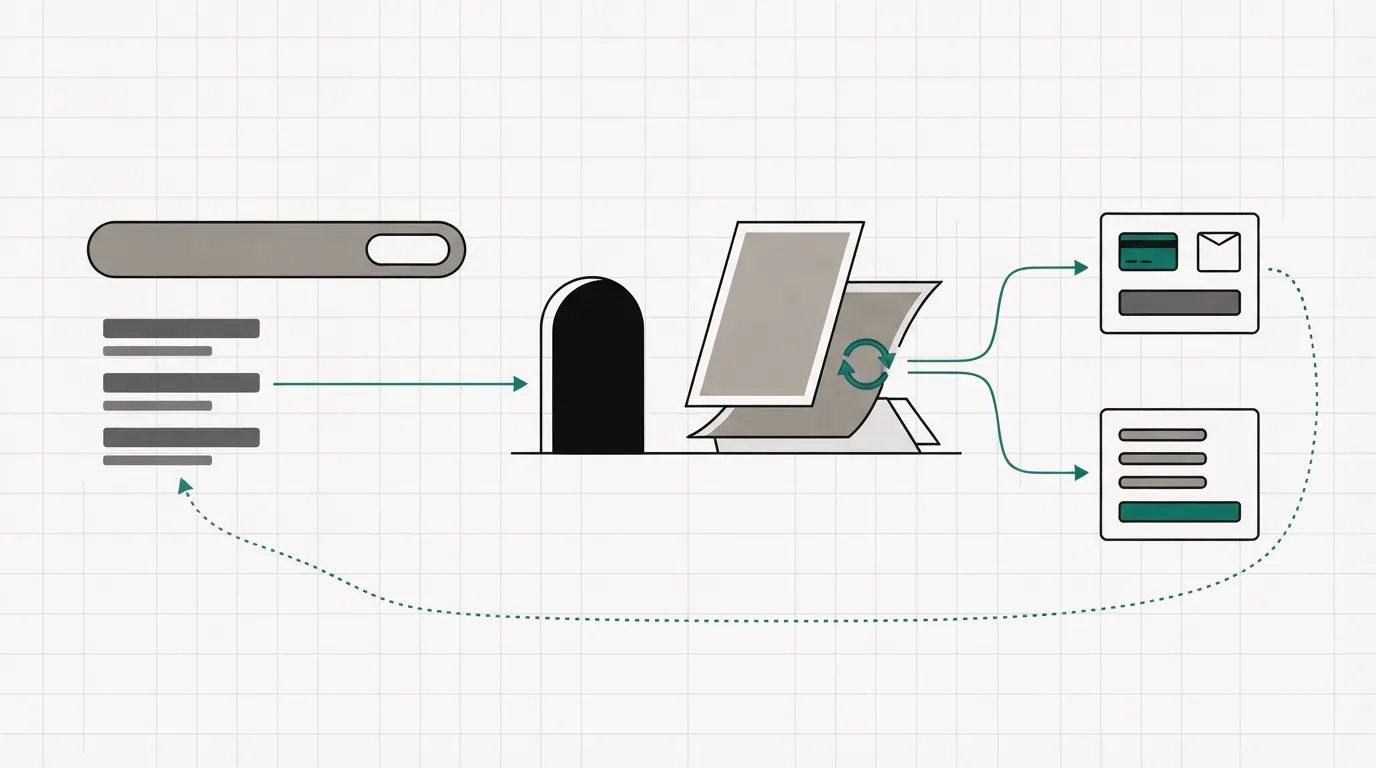
Search clicks that should end in a sale on the page
Winner: ElasticFunnels. It is a funnel platform for teams running paid traffic, with the pages, the checkout, a CRM and attribution on one data layer. Two parts of it map straight onto a Search campaign. First, its split tests run behind a single campaign link. The vendor's answer to what a test changes on the ad side is that variants stay under the same URL, so Google keeps optimizing against the same creative and URL pair while ElasticFunnels rotates the pages server-side. Your final URL never moves, and the ad is not resubmitted for a page test. Second, its Google Ads integration connects by OAuth and uploads each checkout sale as a click conversion, carrying the gclid, value, currency, order ID and purchase time. It also imports your ad spend every two hours and has a link builder for Google Ads tracking URLs. The campaign then sees what each click was worth in orders.
Behind the page sits a hosted checkout with order bumps, one-click upsells and subscriptions, and each session, order, rebill and refund lands on one timeline. The AI page builder writes a page from a prompt or clones one from its URL, which is a fast way to bring over a lander that already earns its Quality Score. The cheapest plan has the same features as the dearest, and the only revenue fee is 0.5% on sales through its own checkout gateways.
The weak spot is outside proof. ElasticFunnels is newer than the platforms it competes with, and very little independent review coverage exists to check its claims against, so until you put real Search volume through it you are largely relying on the vendor's word, including on how cleanly the offline conversions match. A platform built since 2023 has that gap, and the 14-day trial needs no card, which is enough time to connect a Google Ads account, run a same-URL test on a small budget and watch the uploaded conversions appear before you pay. Platform detail beyond this Search use sits in the ElasticFunnels review.
Runner-up: ClickFunnels. For course, coaching and info-product sellers who want a funnel platform with years of public reviews behind it, ClickFunnels puts the sales page and checkout in one place too. Expect the learning curve its long-term users complain about most, and plan for the Launch tier to feel tight once contacts grow. Contact caps and the learning curve are written up in the ClickFunnels review, and ElasticFunnels vs ClickFunnels sets the two side by side.
Lead generation: a form, then a hand-off to your CRM
Winner: Leadpages. When the conversion is a form fill, cost per lead is the number that matters, and Leadpages removes one variable from it. Its paid search page says every plan includes unlimited traffic, with no visitor caps and no overage fees, so a keyword that suddenly takes off does not push you up a tier. Grow adds dynamic text replacement, which swaps the headline to match the ad copy, plus manual A/B tests and four custom domains. Leadpages says its replacement happens before the page renders, so the visitor's first view already carries the personalized headline. The cost is the billing record: long-term users report surprise annual renewals and refused refunds, and the 7-day trial needs a card. Billing complaints are collected in the Leadpages review.
Runner-up: Unbounce. Unbounce gives you more control over the layout and also matches headlines to keywords. Its own feature page argues that better relevancy lifts conversions and improves your Google Ads Quality Score. Text replacement and A/B tests start on Experiment, so price the plan your traffic will actually need. Leadpages vs Unbounce goes through the trade in full.
High-spend Search accounts that test pages every week
Winner: Unbounce. A team that ships new variants weekly needs the deepest page editor and testing it can get, and that is where Unbounce earns its price. Experiment includes unlimited A/B tests and text replacement, and Optimize adds Smart Traffic on top. A long-term user on r/PPC summed up the choice against Leadpages: Unbounce has far more control and more complexity. Unbounce's trial runs 14 days and asks for no card. Two costs to plan for: Unbounce counts visitors on every plan, and its most repeated complaint is rebuilding the desktop design for mobile, which is exactly the view a Search campaign mostly serves. Visitor caps are walked through in the Unbounce review.
Runner-up: Leadpages Optimize. Optimize adds Smart Traffic on top of Grow and still has no visitor cap. It suits an account whose traffic would push Unbounce into a higher tier. Where keeping the campaign's learning matters more than editor depth, ElasticFunnels vs Unbounce explains where server-side rotation behind one link changes the decision.
A first Search campaign on a small budget
Winner: Systeme.io. On a few hundred dollars of ad spend, the permanent free plan is where the clicks should go. It builds funnels and pages with simple A/B tests on funnel pages, and it needs no card. Pages run on Systeme.io's own servers, and the editor is plainer than a dedicated page tool, so treat it as the place to prove a keyword set before you pay for a builder. Limits of that free tier are listed in the Systeme.io review.
Runner-up: Unbounce Starter. Starter is Unbounce's editor for a single campaign. It has no A/B tests and no text replacement, so it is a stepping stone toward Experiment for anyone who plans to optimize.
Agencies running Google Ads for clients
Winner: GoHighLevel. An agency that manages client ad accounts usually ends up owning the follow-up as well: the CRM, the email and SMS, the booking calendar. GoHighLevel gives each client a sub-account with all of that next to the landing pages, and the Agency Pro plan lets you resell it under your own brand. The three plans step up by how many sub-accounts you run, plus usage charges for SMS, phone, email and AI. Expect a learning curve measured in weeks and support that varies by agent. That curve is the subject of the GoHighLevel review.
Runner-up: Unbounce. If the client keeps their own CRM and your deliverable is the landing page and its test results, Unbounce lets you build and test pages without moving the client's whole stack. GoHighLevel vs Unbounce covers where each one stops.
What to avoid with Google Ads traffic
- Sending Search clicks to your homepage. Unbounce's case for a dedicated page is that the content matches the ad, there are fewer distractions, and everything leads to one call to action, which it ties to better Quality Scores and lower cost per click.
- A page that never says the keyword. When landing page experience shows below average, a first question on r/PPC is whether the advertised keywords appear on the page at all. Text replacement fixes this at scale, and a manual headline per ad group does the same job.
- Testing on a plan that cannot test. Unbounce Starter and Build have no A/B tests, and Starter has no text replacement either. Check the plan before you write the test plan.
- Ignoring visitor caps as spend grows. Unbounce's Build plan stops at 20,000 monthly visitors and Experiment at 30,000. A campaign that scales can outgrow the plan mid-month.
- Counting form fills when you sell. If the page takes payment, bid on the sale. A builder that cannot send the order value back to Google leaves Smart Bidding optimizing toward the wrong event.
The Search segments above keep their own winners. Instapage sits in the shortlist for a team that will pay for server-side tests inside a visitor allowance. The full read is the Instapage review.
Best landing page builders for Shopify stores
A Shopify seller asks a narrower question: which builder makes a page that converts ad traffic and still puts the order in the store my warehouse already ships from? The answer turns on where the page lives and who takes the payment. There are three routes. Build the page inside Shopify with an app, put a page outside Shopify that hands the buyer to Shopify's checkout, or run an outside funnel that takes the payment itself and writes the order back into the store. If the choice is Kartra's marketing account against Shopify as the store, that split is in Kartra vs Shopify. If the page tool in front of that store is Leadpages, the split is in Leadpages vs Shopify.
A store that needs the paid order, upsells included, to arrive for fulfillment should start with ElasticFunnels. That is the best landing page builder for Shopify when the funnel charges the buyer and the warehouse still ships from Shopify. Outside coverage of that sync is still thin, so use the trial to confirm an order lands in the shop. A single product page whose button only opens Shopify checkout is a Leadpages job.
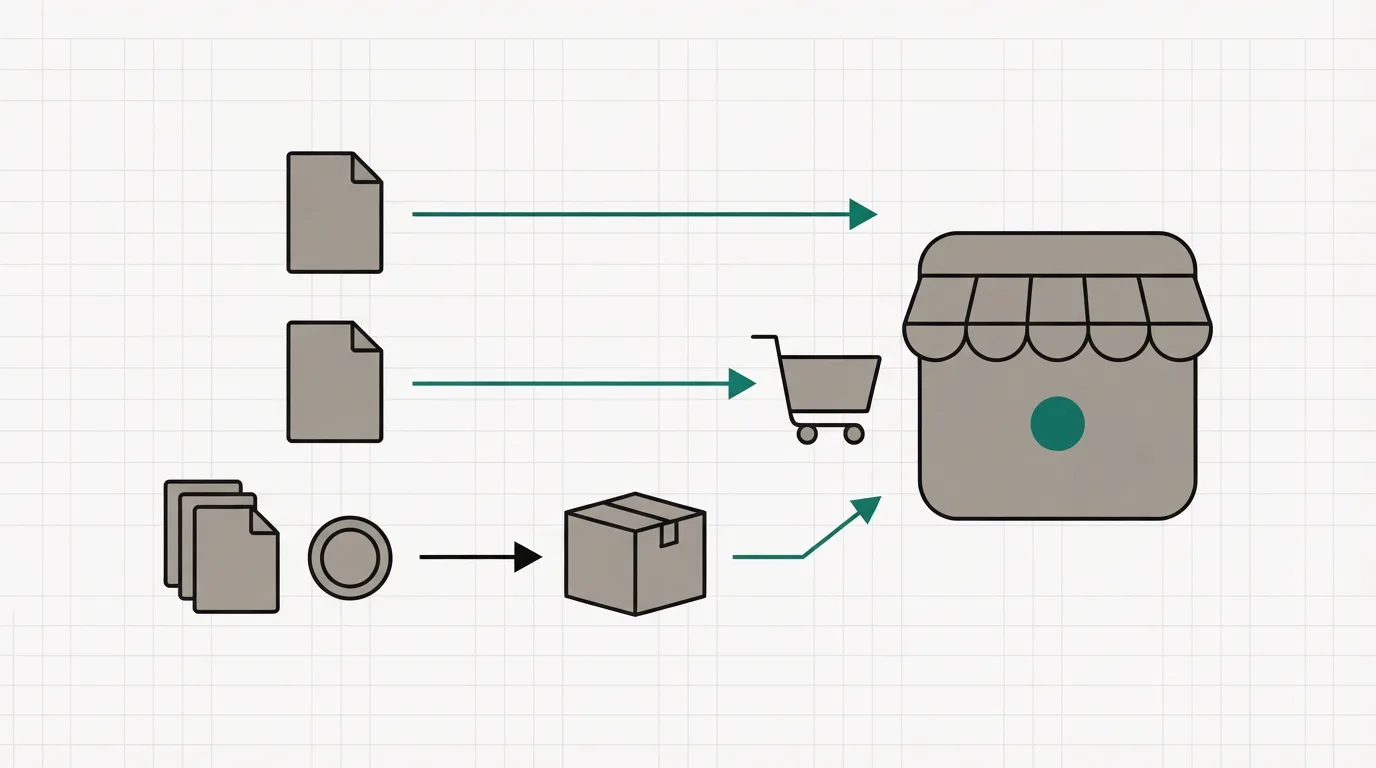
Paid ads, upsells and split tests, with orders that must land in Shopify
Winner: ElasticFunnels. Paid traffic to a Shopify product, with split tests and one-click upsells, belongs here when the fulfillment team should stay on one system. It is a funnel platform for paid-traffic teams, and two parts of it carry this segment. Its same-URL split testing rotates page variants server-side behind one ad link, so Meta or TikTok keep their learning while the test runs. Then, after a buyer pays on its checkout, its Shopify order sync creates the order in your store with the customer, SKU, shipping and tax. It can merge the main sale and the upsells from one funnel session into a single Shopify order, so your 3PL app packs one parcel, and refunds carry over to the store as well.
The Shopify gaps are specific. It does not import your Shopify catalog, so products are set up in ElasticFunnels and matched by SKU. Synced orders do not lower Shopify's stock counts, tracking numbers do not flow back from Shopify, and each brand connects through a custom app the ElasticFunnels team sets up for you, because it is not listed in the Shopify App Store. Outside reviews are scarce, which is the public record of a platform built since 2023. The 14-day trial with no card lets you wire the sync and run a split test on your own store before you pay, although proof at volume only comes from your own traffic. Buyers can be sent to Shop Pay or Shopify Checkout when the store should keep its own payment step, and those sales carry no ElasticFunnels checkout fee. Order sync and the stock gaps are spelled out in the ElasticFunnels review.
Runner-up: Leadpages. If the campaign is one page and one product, and upsells after payment do not matter to you, Leadpages is the lighter route. Its Shopify integration puts product details on the page and points the buy button at your store's checkout, so nothing about fulfillment changes. The split between the two is laid out in ElasticFunnels vs Leadpages.
The best free landing page builder for Shopify
Winner: PageFly Free. One campaign page inside the theme, before any builder bill, is what the free plan is for. It has no end date and asks for no card. It publishes one page or section at a time and includes 10 AI credits a month, which is enough to prove a single offer before you spend on a plan.
Runner-up: GemPages Free. GemPages also gives you one published page for nothing and skips the time-limited trial altogether. The catch shows up if that free page fronts a funnel: post-purchase upsell revenue on the free plan is capped at $100 a month.
The zero-app floor is Shopify itself, which lets you make standalone pages in the admin on any paid plan, with far less control over layout. One tool we would not put here is Systeme.io. Its free plan is generous, but it hosts its own funnels and takes payment through Stripe or PayPal, so it is a separate funnel platform beside the store. What that free plan does well is in the Systeme.io review.
Pages inside Shopify, with the native checkout and real A/B tests
Winner: PageFly Optimize. Optimize is the first PageFly plan with A/B testing, which is why a store that wants to test landing pages without leaving Shopify or its checkout starts there. Shopify's own landing page guide names PageFly, along with Shogun, as the App Store builders to reach for when the admin's pages are too plain.
Runner-up: GemPages Build. Build lifts the page limit to unlimited published pages. It suits a store that needs many campaign pages now and can leave testing for later.
Keep both on campaign pages. Merchants on r/shopify keep reporting that page builder apps add weight that slows a store, and the common advice there is that they work well for landing pages and much less well for product or collection templates.
An outside landing page that sends buyers to Shopify's checkout
Winner: Leadpages. A page off the theme, with every order still handled by Shopify, is the lighter route. Its official integration shows Shopify product details on the page, links the call to action straight to checkout and works with your Shopify discount codes. The starting price is in the comparison above, and the 7-day trial needs a card. Long-term users report surprise renewals and refused refunds, so set a reminder before the trial bills. Those renewal reports are gathered in the Leadpages review.
Runner-up: Unbounce. For a team already building campaigns in Unbounce, keeping the Shopify pages there is reasonable. Its own Shopify case study describes an agency writing custom JavaScript so the page's button adds the product to the Shopify cart, which tells you the hookup is a build job. A/B testing starts on Experiment, and lower plans cap monthly visitors. The visitor caps are in the Unbounce review, and Leadpages vs Unbounce puts the two page builders side by side.
What to avoid on a Shopify store
- A page builder app on every template. The speed complaints cluster around stores that rebuilt product and collection pages with an app. Use it where a campaign needs a page of its own.
- Off-store orders with no stock plan. A funnel that takes payment outside Shopify may never touch the store's stock. ElasticFunnels' synced orders, for one, leave Shopify's inventory counts where they were. If you sell limited stock, decide who adjusts those counts before launch.
- Testing on a plan that cannot test. PageFly's free plan and Unbounce's two cheapest plans have no A/B testing. Pick the plan for the test you intend to run, then price it.
Best landing page builders for WordPress
Your site already runs on WordPress and you want a landing page, or a whole funnel, without rebuilding everything around it. Which is the best WordPress landing page builder depends on how far the page has to carry the visitor. A single campaign page that loads fast is one job. A WooCommerce funnel with bumps and upsells is another. A team spending real money on Meta or Google ads has a third problem, because there the split test and the order record matter more than keeping every page inside wp-admin.
So there are three routes. A plugin builds the page inside WordPress. A hosted builder makes the page elsewhere and publishes it onto your WordPress domain. Or a hosted funnel runs on its own domain beside the blog, and WordPress keeps doing what it already does well.
Quick answer. On a site that already lives in WordPress, the best landing page builder for WordPress is Elementor, because the landing page shares that editor. SeedProd is the lighter plugin when you only need a few campaign pages. Ads that should land on a hosted funnel beside the blog go to ElasticFunnels. It is newer than those plugins, and there is very little independent review coverage of it until your own traffic runs through it.
The best free landing page builder for WordPress
Winner: SeedProd (free plugin). SeedProd's free version on WordPress.org handles coming-soon pages, maintenance pages and simple landing pages. The vendor describes its builder as minimal and bloat-free, built so it does not slow the rest of your site, which matters when the page is one corner of a working blog. Its template library for squeeze, sales, webinar and thank-you pages sits on the paid annual plans, Basic through Elite. Those renew at $79, $199, $399 and $599 a year. SeedProd sells the first year at an introductory price and renews at full price, so the renewal figure is the one to budget. Paid plans carry a 14-day money-back window.
Runner-up: Elementor (free core). The no-cost Elementor editor gives you more design control over a single page, and it is the same editor you would grow into if the whole site moves to Elementor later. Popups, the Theme Builder, custom code and the ecommerce features wait for the paid tier. Expect a heavier editor: on r/elementor, users complain that it gets slow enough to be frustrating to build in.
Best WP landing page builder when the page is part of a bigger site
Winner: Elementor Pro. When the landing page sits next to a blog, service pages and maybe a WooCommerce store, one editor for all of it saves the most time. Elementor says it powers over 22 million sites, so themes, add-ons, tutorials and freelancers who already know it are easy to find. The paid tier adds the Theme Builder, the Popup Builder, custom code and CSS, and the ecommerce features. Plans are billed annually. The drawback lands on whoever builds the pages: the editor complaints above grow louder on large installs, so a site with hundreds of pages should expect slower editing sessions.
Runner-up: SeedProd Pro. If you only need landing pages and the rest of the site is fine as it is, SeedProd keeps the scope narrow and the plugin light. Pro renews at $399 a year, and the cheaper tiers carry fewer templates.
Opt-ins, timers and A/B tests inside WordPress
Winner: Thrive Suite. For a marketer who measures pages by sign-ups, Thrive gives the most conversion tooling without leaving WordPress. Thrive Architect is sold only inside Thrive Suite, which bundles eight plugins: Architect for pages, Thrive Leads for opt-in forms, Thrive Optimize for A/B tests, plus Ultimatum, Quiz Builder, Apprentice, Ovation and Comments. The first-year bill, the renewal and a quarterly option are listed with the other plan prices above. It covers up to five sites and comes with a 30-day refund. Five sites is enough for one business and tight for an agency.
If the shortlist is Leadpages against the forms plugin on its own, Leadpages vs Thrive Leads is that head-to-head.
Runner-up: Elementor Pro. If you already pay for Elementor and only need popups and forms on your pages, its Popup Builder and forms cover the lighter end of this job without a second builder.
The best funnel builder for WordPress and WooCommerce
Winner: CartFlows. A WooCommerce store that wants a checkout funnel without moving its orders anywhere should start here. CartFlows runs on WordPress and WooCommerce only, so every sale stays in the Woo orders screen your team already uses. The free plugin is on WordPress.org. Paid Starter's first year and its renewal are listed with those plan prices, and its pricing page lists order bumps, one-click upsells and A/B testing. A 14-day money-back window applies. It is also the plugin WooCommerce sellers recommend to each other: on r/woocommerce it comes up, alongside WooFunnels, as the plugin for custom checkouts and upsells.
Runner-up: Thrive Suite. When the funnel is an opt-in, a sales page and a follow-up rather than a WooCommerce cart, Thrive's page and form plugins do more of the work, and you avoid installing WooCommerce just to run a funnel.
Paid traffic, when WordPress should not host the funnel
Winner: ElasticFunnels. Once the ad budget is real, the questions change. Can I test a new page without the ad going back through review? Which angle produced the orders that did not refund? ElasticFunnels answers both from outside WordPress. It is a hosted funnel platform for teams running paid traffic, and it does not install as a plugin: your blog stays on WordPress and the funnel runs on a custom domain you point the ads at. Its same-URL split testing rotates page variants server-side under one campaign link, so Meta, Google and TikTok keep their learning while the test runs. Its AI page builder can clone an existing page from its URL, so a WordPress landing page that already converts can be brought over and tested. Behind the page it hosts the checkout with order bumps, one-click upsells and subscriptions, and keeps each session, order, rebill and refund on one timeline with a CRM on the same data.
Plans differ only in usage limits, and the trial runs 14 days with no card. The 0.5% fee applies only to revenue taken through its own checkout gateways. The honest catch is track record. Public reviews have not caught up with the feature list, so until you push real volume through it you are mostly relying on the vendor's word. The no-card trial lets you clone a page and run a same-URL test on your own traffic before you pay. Checkout, CRM and the plan limits are broken out in the ElasticFunnels review and on ElasticFunnels pricing.
Runner-up: Leadpages with its WordPress plugin. If the job ends at the landing page and checkout already lives somewhere else, Leadpages builds the page on its side and its plugin publishes it straight onto your WordPress domain. The page loads on your own URL, inherits your SSL certificate and works with any theme, with no iframes and no subdomain redirect. It can also publish variants to your root WordPress URL, which is how you test a homepage design. Its 7-day trial needs a card. The plugin's limits are in the Leadpages review, and ElasticFunnels vs Leadpages shows where the two split.
What to avoid on WordPress
- Elementor for one campaign URL when the editor already drags. If you only need a page or two and building in Elementor is already slow on your install, a lighter plugin like SeedProd does that job with less weight.
- Two full builders on one install. Elementor and Thrive Architect both want to own page building. Running both means two editors to learn and two annual renewals for the same work.
- The Leadpages plugin as a checkout. It publishes pages onto WordPress. Payment, upsells and order records have to come from another tool.
- Budgeting on the first-year price. SeedProd, Thrive and CartFlows all sell year one at an introductory rate. Work out the second year before you commit a client site to any of them.
Comparing hosted page builders instead? See Leadpages alternatives or Systeme.io vs Leadpages.
Best funnel and landing page builders for affiliate marketing
"Affiliate marketing" covers three jobs that need different tools, and most lists of the best landing page builder for affiliate marketing blur them together. A media buyer pays for clicks and sends them through a presell to someone else's offer on ClickBank or BuyGoods. A beginner with no ad budget wants one page and an email list. A product owner wants other people to promote their offer and needs to track and pay them. The network handles the checkout in the first case. In the second nobody is paying yet, and in the third the cart is yours.
One mistake runs through all three: treating ClickBank, JVZoo or Digistore24 as a funnel builder. They are marketplaces with a checkout. The page in front of the hoplink, the angle test and the tracking are still yours to build.
Media buyers sending paid traffic to a network offer get the presell angles and the sale postback from ElasticFunnels. That is the best funnel builder for affiliate marketing when the campaign URL has to stay put while the angles change. Outside write-ups of those postbacks are scarce, so fire a test sale before you scale. Unbounce fits the affiliate who only needs a stronger page, because the network already takes the payment.
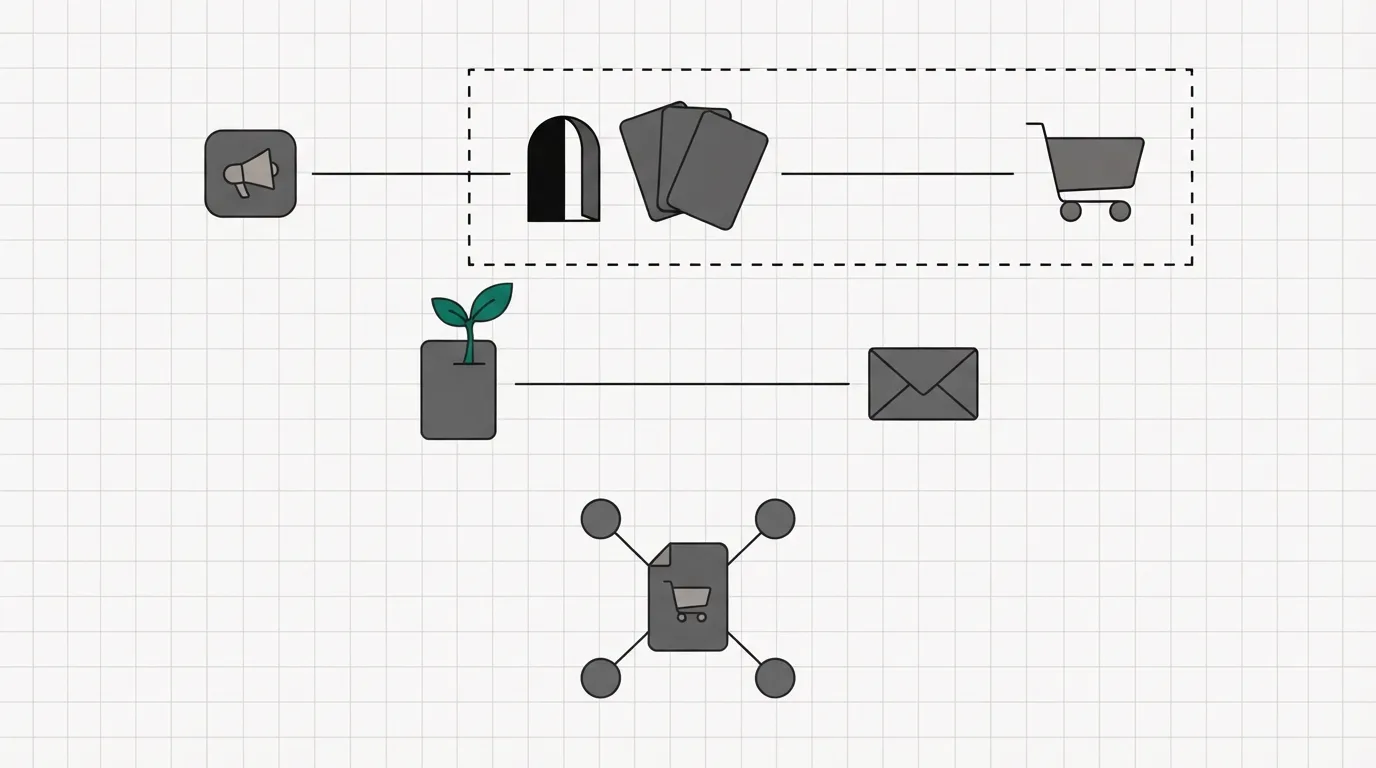
Media buyers sending paid traffic to network offers
Winner: ElasticFunnels. Buying traffic to ClickBank-style offers, and keeping one campaign URL while presell angles rotate, is this platform's affiliate job. It is a funnel platform for teams running paid traffic, and its lead feature fits this job closely. Up to five presell or advertorial angles run under one URL. The variant is chosen server-side and pinned to a cookie, so Meta or TikTok never see the link change and the campaign keeps its learning. Its AI page builder and templates cover VSL bridges, advertorials, presells and comparison pages, and you can paste a URL to clone a page you already run.
Tracking is the second reason it fits. It connects natively to BuyGoods, ClickBank, JVZoo, RedTrack and Everflow, and it can fire a postback to any URL. Conversions fire server-side from your account rather than from the visitor's browser, so an ad blocker cannot swallow them. When the network takes the payment on its own checkout, ElasticFunnels records each order and its affiliate from the vendor IPN and charges no fee on it. The 0.5% fee only applies to revenue taken through its own gateways, which matters once you launch an offer of your own on the same account.
The honest catch is how little outside proof exists. Independent write-ups of the postbacks are scarce, so until you run real traffic through it you are largely taking the vendor's word for how reliably they fire at volume. The 14-day trial asks for no card, so you can build a presell, wire a postback to your tracker and watch it record test conversions before you pay. After that, the entry plan already includes postbacks and split tests. Checkout, CRM and reporting sit in the ElasticFunnels review.
Runner-up: Unbounce. If the network keeps the checkout and all you want is a better-converting page, Unbounce is the established page builder affiliates name most. In an r/Affiliatemarketing thread on this exact question, the advice was that if conversion rate optimization is the goal, Unbounce is the way to go, and another thread lists it first among the tools people use for dedicated lead pages. Budget for the test, though. A/B testing starts on Experiment, the cheaper plans cap monthly visitors, and Unbounce has no checkout and no network postbacks, so a tracker carries the attribution. ElasticFunnels vs Unbounce walks through that split, and Unbounce alternatives lists the other page builders.
The best free landing page builder for affiliate marketing
Winner: Systeme.io. A first bridge page and an email list, with nothing spent, is the free plan's job. It has no time limit and needs no card. It covers 2,000 contacts, three sales funnels and unlimited email sends, which is enough to collect leads in front of an offer and follow up with them. What you give up is testing power and polish. Split tests are basic, the templates are plain, and email goes out over shared infrastructure, so this is a place to learn before you scale paid traffic. The rest of the free tier is in the Systeme.io review.
Runner-up: a no-card trial. No other builder we cover has a free plan. The nearest thing is a 14-day trial with no card, which both Unbounce and ElasticFunnels offer. That is long enough to build a presell and run a small paid test, and then the bill starts. Leadpages needs a card for its 7-day trial. ElasticFunnels vs Systeme.io shows what the paid route adds over the free one.
If you want to promote funnel software itself, the vendors pay differently. Systeme.io pays its affiliates 60% of every sale for the customer's lifetime, and you do not need to be a customer to join. Kartra pays up to 40% recurring, for the first 12 months of each referral only.
Selling your own offer through your own affiliates
Winner: Kartra. When the product is yours and you want promoters, Kartra puts the sales page, checkout, membership area and affiliate tracking on one login and one database. Each affiliate's sales land on the same record as the email and the course access, and reviewers single out how convenient the built-in affiliate management and payments are once everything sits in one place. The cost is reliability: long-term users report bugs across the builders and slow support, so use the 14-day trial and the 30-day money-back guarantee to run a real launch before you commit. Bugs and support speed are set out in the Kartra review, and ElasticFunnels vs Kartra is the comparison when paid traffic is also part of the plan.
Runner-up: Systeme.io (paid plans). Systeme.io includes affiliate management on every plan. It handles program setup and tracking, sends monthly invoices on the 10th and pays affiliates through PayPal or Wise. The free plan limits the program to one product and 2,000 contacts, so a vendor with a catalog moves to a paid plan, and those start at $17 a month. You trade Kartra's breadth for a much lower bill.
What affiliates should avoid
- A page-only builder when you need postbacks. A page tool makes the presell. If the sale happens on the network, something still has to send the conversion back to your ad account or tracker, and a page builder alone does not.
- Tests that swap the ad's final URL. Splitting traffic between two different URLs can send the ad back through review and restart its learning. Find out from the vendor's docs whether a test keeps one URL before you point ad spend at it.
- ClickFunnels or Kajabi for pure network arbitrage. Both are built around selling something you own, and you pay for checkout, course and membership tools a presell to someone else's offer never uses.
- Unbounce's cheaper plans for angle testing. Starter and Build have no A/B testing, and every plan caps monthly visitors.
- Paying for tools before vetting the offer. Experienced affiliates on r/AffiliateMarket check an offer's refund rate, EPC and funnel quality first. A good builder will not fix an offer that refunds.
Choosing as an affiliate
- Who owns the checkout? If the network does, you need a presell and tracking. If you do, you also need a cart and an affiliate program, which points to Kartra or Systeme.io.
- Does the ad URL change when you test? On paid social and search, same-URL rotation keeps the campaign's learning intact. Two separate final URLs do not.
- What can you spend? Systeme.io is free to start. ElasticFunnels' entry price in the comparison includes testing, and Unbounce's first plan with A/B tests is Experiment.
- Is the offer worth it? Check refund rate and EPC before you pay for anything.
Best landing page builders for lead generation
On a lead generation page the conversion is a form fill, and the form is the easy part. Every builder on this page has one. The trouble starts a second after someone presses submit. Does the lead reach your CRM with every field in the right column? Does sales know which company it came from? Does the first follow-up email go out on its own, or does someone export a CSV on Friday afternoon?
That is where the tools split. Some hand the lead to a CRM you already pay for. Some enrich it before the form is even filled. Others keep the pipeline, the email and the SMS in the same login as the page. On r/PPC one practitioner put the risk plainly: some integrations actually sync properly while others just fire a Zap. This block picks by what happens after the submit. It sits apart from the ecommerce and checkout picks above, and the Google Ads lead pick already covers message match and traffic caps for Search.
Quick answer. Leadpages is the best landing page builder for lead generation when a short form should fill in the company and no plan caps traffic. ElasticFunnels fits the team that wants the form, the click and a later sale on one record, and few outside reviewers have checked that sync. Pipeline, email and texts in the same login are the GoHighLevel case below. Salesforce or HubSpot as the system of record is the Unbounce case.
When HubSpot or Salesforce stays the system of record
Winner: Unbounce. If sales lives in Salesforce, the page tool only has to deliver clean leads into it. Unbounce's integrations page lists in-app connections to Salesforce, HubSpot, Marketo, Pardot, ActiveCampaign and Mailchimp, and pitches the Salesforce one as a head start on turning contact info collected in Unbounce into Salesforce leads. Anything else goes through Zapier or a webhook. The editor is the other half of the case: an r/PPC user who had run both called Unbounce far superior, with a lot more control but more complexity. Its A/B tests start on Experiment. Plan limits are the subject of the Unbounce review.
Runner-up: Leadpages. Its native list is longer at the small-business end. Leadpages connects directly to HubSpot, Pipedrive, Zoho CRM, Keap, GoHighLevel, ActiveCampaign, Klaviyo and a dozen email tools, with Zapier, Make or a webhook for the rest. Whichever you pick, submit a test lead and open the CRM record before you send paid traffic, because a mapped field that lands empty is the usual failure. Leadpages vs Unbounce compares the two in full.
B2B leads: know the company before the rep calls
Winner: Leadpages. B2B forms lose people with every field you add, yet sales still wants company size and industry. Leadpages answers that with lead enrichment. Grow includes 2,000 IP resolutions and 1,000 lead enrichments a month, so the form can ask for a work email and the firmographic detail fills in around it. Leadpages also treats form submission as a first-class A/B goal, which lets you test a three-field form against a six-field one. It says no plan caps leads or traffic, so a good week does not push you up a tier. The risk sits in the subscription, where long-term users report surprise annual renewals and refused refunds, and the 7-day trial needs a card. Annual billing is the warning in the Leadpages review.
Runner-up: Unbounce. For long B2B pages with comparison tables, gated content and several form steps, Unbounce's editor gives you finer control. We found no enrichment product on the Unbounce pages we read, so the company data has to come from your CRM or a separate tool.
Pipeline, email and SMS in one login
Winner: GoHighLevel. Its own guide to static landing pages describes the flow in one line: a form submission adds the contact to a CRM pipeline. From there the same account runs the email and SMS follow-up and the booking calendar, with no sync to break between the page and the pipeline. Agencies get the extra step of a sub-account per client and white-label resale on Agency Pro. Usage charges for SMS, phone, email and AI come on top of the plan. Expect weeks before the platform feels familiar. Sub-accounts and the learning time are in the GoHighLevel review and in GoHighLevel vs Unbounce. A common hybrid sends an Unbounce lander into GoHighLevel by webhook, and HighLevel users report that the contact then arrives without its automatic ad attribution.
Runner-up: Systeme.io. Systeme.io puts Kanban CRM pipelines on every plan, the free one included. Its pipeline page notes that deal contacts are the same contacts in your email lists and automation workflows, with no syncing required. The free plan stops at 2,000 contacts, and the editor is plainer than GoHighLevel's. Systeme.io vs GoHighLevel sets out what the higher price buys.
Paid traffic: the form fill on the same record as the click
Winner: ElasticFunnels. ElasticFunnels is a funnel platform for teams running paid traffic, with pages, same-URL split testing, checkout, CRM and attribution on one data layer. For lead generation the CRM side does the work. Its CRM and automations page says a form on a page creates a collection that is also a CRM entity, so each lead lands on a customer record beside the session it came from. Automations can trigger on a form entry, a page event or a network postback, which starts the follow-up without a Zap in between. If your sales team already works in HubSpot, Keap or Pipedrive, ElasticFunnels pushes the contacts there and keeps the funnel record on its side. The day the offer adds a paid step, orders land on the same record as the lead, and a call center works from those same entries.
For a form test, the variants rotate behind one campaign link, so the ad keeps its destination while you compare form lengths. Its plans are counted in page views, with bot traffic left out.
The drawback is outside proof. Third-party reviews of the CRM sync are still scarce, so until you run real lead volume through it you are mostly trusting the vendor on how the sync and automations behave. You get 14 days to wire a form to your CRM, send test leads and read the records before you pay, and that trial asks for no card. CRM behavior beyond this lead use is in the ElasticFunnels review, and ElasticFunnels vs GoHighLevel compares the two CRM-inside options.
Runner-up: Kartra. For an established coach or creator whose leads turn into course or membership buyers, Kartra keeps pages, email, checkout and memberships on one login and one database. Automations and affiliates only arrive on Growth and long-term users report bugs and slow support. Those support reports are in the Kartra review.
Demo requests and calendar booking from the page
Winner: Unbounce. When the lead is worth a sales call, the fastest follow-up is a booked meeting before the visitor leaves. Unbounce connects to Chili Piper, a separate scheduling tool, which its integrations page says lets you qualify, route and schedule meetings with inbound leads straight from Unbounce. Chili Piper is billed by its own vendor, so budget for two tools.
Runner-up: GoHighLevel. The booking calendar lives in the same account as the form and the pipeline, so a workflow can move a new lead toward a meeting with no outside scheduler. The GoHighLevel review explains how its calendars sit next to the CRM.
A free or near-free lead magnet funnel
Winner: Systeme.io. A lead magnet needs a page, a form, a delivery email and somewhere to track who replied. The permanent free plan covers all four with no card, including the CRM pipeline, up to 2,000 contacts. What that free tier leaves out is noted in the Systeme.io review.
Runner-up: Unbounce Starter. Starter is the editor capped at a small monthly visitor count, with no A/B tests. It works for one lead magnet page feeding a CRM you already have, and it is a step toward Experiment once you want to test the form.
What to avoid in a lead generation setup
- Counting a Zapier connection as a native integration. A Zap can drop fields, run late or stop after a plan change. If the CRM matters, pick a builder with a direct connection and test the mapping.
- Sending paid clicks to a homepage contact form. A dedicated page with one form and one offer gives the visitor one thing to do.
- Unbounce Starter or Build for form tests. Neither plan runs A/B tests, so a test of form length waits for Experiment.
- A full funnel platform when HubSpot capture is the whole job. If you only need a page whose form drops into HubSpot, Leadpages or Unbounce costs less to learn than ElasticFunnels or GoHighLevel.
- Annual Leadpages billing before you read the terms. Leadpages refunds future renewals only, so cancel well before the renewal date if you are testing.
- Leaving spam submissions unchecked. Junk form fills that reach the CRM make cost per lead look better than it is. Add a hidden field or a CAPTCHA before you judge a campaign on its lead count.
Instapage is in the shortlist for a team that needs server-side tests and can stay inside a visitor allowance. The lead-generation winners above stay Leadpages and the tools named in those picks. The write-up is the Instapage review. ElasticFunnels vs Leadpages covers the two picks above that most often meet in the same shortlist.
Best sales funnel software for small businesses
A small business wants pages that turn into sales without paying for six logins or watching the bill climb with every new contact. Most "best sales funnel builder" lists rank every tool for every buyer. A bakery taking pre-orders, a plumber booking callouts and a two-person brand buying Facebook ads need different software, so this block splits small businesses by what limits them: cash, follow-up, the product they sell, or ad spend.
A sales funnel builder here means three things in one account: the pages, an order form that takes the money, and the follow-up email after it. Systeme.io's small-business page makes the bundle case in one sentence: build your website, capture leads, send email, take payments, and follow up with customers, all from one login. That is the honest benchmark. Anything that needs a second subscription to do those three jobs has to earn the extra bill.
Quick answer. Systeme.io is the best sales funnel software for small business when you want pages, email and checkout in one login before the contact list grows. ClickFunnels is the step up when the page sequence matters more than keeping the bill low, and the editor takes longer to learn. A business already paying for ads, and local firms that live on texts, have their own picks below.
No budget yet, first funnel
Winner: Systeme.io (free plan). Its pricing page answers the question most owners ask first: the free plan supports up to 2,000 contacts, three sales funnels, one blog, one course, one affiliate program and one custom domain, and it never expires or asks for a card. That is enough for an opt-in page, a sales page and an order form on your own domain. Owners on Reddit say the same thing in plainer words. In a thread asking for a cheap ClickFunnels alternative, one reply called Systeme.io "by far the best clickfunnels alternative", and an r/Entrepreneur commenter said it is way more affordable if you are just starting out. Expect plain templates and basic A/B tests. The Systeme.io review lists what the free tier leaves out, and Systeme.io pricing shows where each paid plan starts.
Runner-up: a no-card trial. No other tool we rank has a permanent free plan. If Systeme.io's editor feels too plain, use a trial that asks for no card, such as GoHighLevel's or ElasticFunnels' 14 days, to build the same funnel elsewhere and compare before you pay anyone.
Which cap you hit first, contacts, funnels, a second domain or the sales total, is the free plan limits finder.
Pages, email and checkout in one login for about $100 a month
Winner: Systeme.io (paid). Startup at $17 a month lifts the ceiling to 5,000 contacts and 10 funnels, Webinar is $47, and Unlimited tops the self-serve range. Every plan sends unlimited email and takes 0% in transaction fees on Stripe or PayPal, so the bill grows with your list. Sales themselves do not add a platform cut. Its pricing page sets this against the separate subscriptions it replaces: a funnel builder, an email tool, a course host and an affiliate tracker. For a business whose list will stay under 5,000 for a year, Startup is the cheapest full funnel in our ranking.
Runner-up: ClickFunnels. Launch costs the same as Systeme.io Unlimited and buys a deeper funnel editor: one workspace, two team members, 10,000 contacts, 50,000 emails a month, three courses, five custom domains and unlimited visitors. ClickFunnels also takes no cut of sales. Its pricing page promises "You'll keep every penny you make." The cost shows up in time instead. Long-term users describe weeks before the editor feels natural. Systeme.io vs ClickFunnels weighs the two plan by plan.
Local service businesses: bookings, texts and a pipeline
Winner: GoHighLevel. A salon, clinic or trades business sells appointments, and the follow-up happens by text message as often as by email. GoHighLevel puts the page, the booking calendar, the pipeline and SMS in one account. Starter, its entry plan, comes with three sub-accounts and unlimited contacts and users, and GoHighLevel describes it as perfect for smaller businesses and solo marketers. Treat its sticker price as a floor. Its pricing FAQ says there are usage-based costs for telecommunications and AI services on top of the subscription, so a busy reminder schedule adds to the bill. Usage charges and the weeks it takes to learn are in the GoHighLevel review, and GoHighLevel vs ClickFunnels takes the funnel side.
Runner-up: Systeme.io. Its small-business page lists booking and pipelines alongside the funnels and email, at a lower price than GoHighLevel. If you will not run texts at volume and mostly need a booking form and a follow-up email, take Systeme.io and keep the difference.
Selling a course, coaching or an info product
Winner: ClickFunnels. The classic info-product funnel is a lead magnet, a sales page, an order form with a bump, an upsell and a members area. ClickFunnels is built around exactly that sequence, and the Launch plan includes three courses beside the funnels. Its 10,000-contact cap is the limit to plan around: the email and contact limits push many users to Scale at $197. Yearly billing is worth reading in the ClickFunnels review and on ClickFunnels pricing before you commit. Coaches and course creators who need the course home, the launch and paid ads as separate picks can use the coach and course-creator picks.
Runner-up: Kartra. Kartra keeps pages, email, checkout and memberships on one database. Skip Essentials for a real funnel, since it stops at 500 contacts and 5 pages and charges a 5% transaction fee. Starter removes the fee, and automations and affiliates arrive on Growth. Long-term users report bugs across the builders and slow support, which the Kartra review sets out.
Small businesses already paying for ads
Winner: ElasticFunnels. Once a small business spends real money on Meta or Google, the cheap stack starts to cost more than it saves. A page tool, a checkout, a testing tool and a spreadsheet each hold part of the answer to which ad made money. ElasticFunnels is a funnel platform for teams running paid traffic that keeps pages, same-URL split testing, checkout, CRM and attribution on one data layer. Its split tests rotate page variants on its server behind one campaign link, so the ad never changes destination and the platform keeps its learning. The AI page builder drafts a page from a prompt or clones one from a URL. The hosted checkout carries order bumps, one-click upsells and subscriptions, and each click, order, rebill and refund sits on one timeline. A CRM with automations works from that same record.
Starter, priced in the table at the top of this page, carries every feature, since all plans share one feature set. The limits are counted in page views, 50,000 a month on Starter, and bot and test traffic is not billed. The one fee is 0.5% of revenue taken through its own gateways (Stripe, NMI, PayPal, Klarna or Authorize.net). Sales sent through an outside checkout such as Shopify Checkout are not charged.
The drawback is outside proof. Few outside reviewers have published a long look at it, so until you run real volume through it you are mostly taking the vendor's word for how it performs. Fourteen days is enough to build a funnel, put a test order through the checkout and read the reports before you pay, and the trial asks for no card. The page builder, checkout and testing all work from day one either way. Each of those parts is written up in the ElasticFunnels review, and ElasticFunnels vs Systeme.io shows what the higher price buys over the budget pick.
Runner-up: ClickFunnels. If you would rather build on the platform with the longest public track record and the largest template library, ClickFunnels is the safer known quantity, and accept a steeper learning curve in return. ElasticFunnels vs ClickFunnels compares them for ad-driven funnels.
A creator brand with budget for a premium platform
Winner: Kajabi. Basic is $179 a month, or $143 billed yearly, with 2,500 contacts, five products, one website and one community. Kajabi's own FAQ is frank about who it suits: "If you haven't sold anything yet, Basic is the right plan for you." There is no platform revenue share, though payment processing fees apply. You pay more than any other pick in this block for a polished course and community home. Course limits and the bill are in the Kajabi review.
Runner-up: Kartra Growth. Growth adds automations and affiliate management to its pages, checkout and memberships. Kartra vs Kajabi lays out the trade between Kartra's breadth and Kajabi's polish.
What to avoid as a small business
- Four subscriptions for one funnel. A page builder, an email tool, a course host and an affiliate tracker each bill monthly. If one bundle covers the job, start there.
- ClickFunnels Launch when your list is about to pass 10,000. The contact cap can force the jump to Scale before the funnel depth has paid for itself.
- GoHighLevel for a single funnel. If you will not use the CRM, calendars or texting, you pay for a platform built for them, plus usage charges you could avoid.
- ElasticFunnels before you buy any traffic. Its testing and attribution earn the subscription once ads are running. Before then, the free Systeme.io plan costs nothing while you find an offer that sells.
- Kartra Essentials as a funnel starter. The 5% transaction fee and 5-page cap make the cheap plan expensive as soon as orders come in.
Best funnel builders for coaches and course creators
You sell a course, a cohort or a coaching program. The buyer has to pay, then find the lessons, then hear from you after. A course host, an email tool and a page builder can each do one of those jobs. The person who opted in, the person who paid and the person sitting in the lessons can end up as three lists.
Funnel software for coaches is how you decide which of those lists share an account. The best funnel builder for course creators depends on what you are selling this quarter: the student home, a launch, a first proof of the offer, or ads that have to show which creative made the sale.
Quick answer. Kajabi is the pick if you want the course, the community and the coaching calls in the login the student already uses. ClickFunnels fits a webinar, a challenge or a tripwire, where the page sequence is the sale. Systeme.io's free plan is where you prove the offer before a subscription. For coaches already buying ads, ElasticFunnels holds the page test and the order on one record. Still choosing among those four? The six-question funnel picker returns a pick and a runner-up from this shortlist.
A small business that also sells a course has a shorter answer in the course and coaching pick above: ClickFunnels, for the classic info-product sequence. Coaches usually need the course home, the launch, a first proof and paid ads separated.
Course and community as the product
Winner: Kajabi. Kajabi's homepage says coaches can work with clients directly, at premium prices, with structured programs, scheduling and payments built in. The course, the community, the membership, the funnels, the email and the checkout share that account. Basic, priced in the creator-brand pick above, includes 2,500 contacts, five products, one website, one community and two admin users. Kajabi's pricing page says the platform keeps whatever you earn, and card processing is a separate fee. The same FAQ points a seller who has not made a sale yet to Basic.
Basic's limit is the cap, and the features that wait on Growth. Advanced automations, affiliate programs and branding removal arrive on Growth, and that is the plan most sellers end up on, above the entry price. Extra contacts, past 2,500, come in blocks of 25,000 for $125 a month on any plan. Tiers are in the Kajabi review and on Kajabi pricing. Kartra vs Kajabi is the head-to-head when you are choosing between those two creator accounts.
On r/SaaS, a commenter asked whether the product was a video course and pointed the seller toward Kajabi. A long-term Kajabi user on r/SaaS described the page builder as limited. The recommendation and the complaint land on different parts of the product: the lessons, and the pages around them.
Runner-up: Kartra Growth. Kartra's homepage calls it the platform that turns expertise into income. The bundle is pages, email, checkout, memberships, courses and affiliates, aimed at coaches and creators. Growth, in the plan table at the top of this page, is where automations and affiliate management sit. Take it when you want that one database and Basic costs more than the course home is worth to you this year. The Kartra review covers the bugs and the support speed that come with the bundle.
Webinar, challenge or tripwire launch
Winner: ClickFunnels. ClickFunnels' homepage invites you to package what you know as a course, a coaching program or a membership, and to sell it from the funnels. The sequence a launch actually runs is a lead magnet, a sales page, an order bump, an upsell and a members area. Launch includes three courses, 10,000 contacts, 50,000 emails a month, five custom domains and unlimited visitors. The pricing FAQ says you keep every penny you make. Past that contact cap, the next plan is Scale. The small-business section already names what that jump costs.
A course creator on r/SaaS called the editor heavy and the price high. A long-term user on r/SaaS praised how the funnels convert. Another commenter on r/SaaS pointed ClickFunnels at info and education businesses. Read the ClickFunnels review and ClickFunnels pricing before you stay on Launch. Kartra vs ClickFunnels is the comparison when the bundle is the other name on the list, and Systeme.io vs ClickFunnels is the one when the free start is still in the running.
Runner-up: Kartra Starter. Starter, the row in that plan table that removes the transaction fee, is the first Kartra plan at 0% of sales. Essentials stops at one course, five pages and that fee. Starter opens the course limit. Take Starter when pages, email and checkout should share the account and the ClickFunnels editor is the part you would rather skip. Those course caps are written out on Kartra pricing.
Proving the offer before a premium stack
Winner: Systeme.io's free plan. Systeme.io's pricing page includes 2,000 contacts, three sales funnels and one course, with no card and no expiry. Students on that plan stop at 500, while emails sent stay unlimited, and the other tight caps are one automation rule and one email campaign. That is a lead magnet, a sales page, an order form and a single course, before you pick a premium stack. Caps beyond the contact, funnel and course counts are listed on the Systeme.io review. Once you want Kajabi's course home, read Systeme.io vs Kajabi.
Once the list passes 2,500 contacts, put your numbers in the funnel tool cost calculator before you commit to a premium plan. Kajabi Basic's contact cap, named above, sits at that line, and the free tier has already stopped at 2,000.
Runner-up: a trial, for one missing feature. Start a trial only when the proof needs something this free tier cannot show you. ElasticFunnels, in the ads section below, is the trial to sign up for when that missing piece is a checkout plus a same-URL test. ClickFunnels is the trial to sign up for when you need the launch sequence itself. Trial length and the card rule for ClickFunnels are on its pricing guide.
Coaches and course creators already buying paid ads
Winner: ElasticFunnels. Coaches who already pay for ads need the page test, the checkout and the enrollment on one record. ElasticFunnels holds those together: pages, a same-URL test, checkout and attribution on one data layer. Its own Kajabi comparison is aimed at selling courses on paid ads, with funnels, checkout and attribution per ad. Kajabi, above, remains the pick when the student home is the product and the ads are a side door.
The mechanism that matters once you are paying for clicks is the URL the ad account sees. ElasticFunnels' FAQ says the variants stay under the same URL, so Facebook, Google and TikTok keep optimizing the same creative and the same link while the pages rotate on the server. An AI builder can draft a page from a prompt or clone one from a URL. The checkout on that account takes an order bump, an upsell the buyer can accept without typing the card again, and subscriptions, and it charges through Stripe, NMI, PayPal, Klarna or Authorize.net. A split of the first sale across merchant accounts is available on NMI only, with a daily cap per account, and the upsell stays on the account that took the sale. The NMI split does not include Stripe, PayPal, Klarna or Authorize.net.
The same FAQ lists email and courses on the entry plan, beside the pages, the split test and the checkout. Higher plans raise the usage limits. A CRM and automations read that same order record, so the email after a coaching purchase can use the sale itself. The checkout fee on the Starter row of that plan table applies only when ElasticFunnels charges the card. Sales sent to ClickBank, BuyGoods, Digistore24, Shopify Checkout or Shop Pay skip it.
ElasticFunnels is newer than the platforms it competes with, and there is very little independent review coverage to check its checkout and split-test claims against. Until your own sales have run through it, you are checking those checkout and split-test claims against ElasticFunnels' pages alone. A thin set of outside reviews is what you would expect of a platform built since 2023. The 14-day trial asks for no card, so you can connect the checkout and run a same-URL test before you pay. Pages, the course area and the checkout are on the account either way. The ElasticFunnels review covers the rest of the platform. ElasticFunnels vs Kajabi is the course-on-ads comparison, and ElasticFunnels vs ClickFunnels is the one when the longer public template library is the tie-break.
Runner-up: ClickFunnels. Choose ClickFunnels when you want the larger public template library and a longer public track record. Launch's contact cap is the number to budget before a course launch starts mailing.
What to avoid when you sell coaching or a course
- Kajabi for a single tripwire. Basic is priced for a course home, a community and coaching calls. A one-time tripwire, with the community and any drip sequence left unused, overpays for that home. ClickFunnels or Systeme.io's free plan can host the tripwire.
- ClickFunnels Launch once the list is heading past its contact cap. If the list will cross that cap before the funnel has paid for Scale, budget Scale first. The cap is in the launch section above.
- Kartra Essentials as a first coach funnel. The plan table shows the 5% fee and the five-page cap. Starter is the plan that drops the fee and opens the course limit.
- ElasticFunnels before you have an offer and money going to ads. Same-URL tests and per-ad sales reports need traffic to be useful. The course area and the checkout are on the account either way. Until the ads are running, Systeme.io's free plan can hold the first course.
- A course host, a page tool and an email tool side by side. One row in the comparison table already covers pages, email and the course. Start there, and add a second subscription only for a job that row leaves out.
If the cart is the leak and the lessons already have a home, use the digital checkout picks. The six-question funnel picker is the short route when two of these situations both sound like you.
Best checkout software for digital products
You already sell the PDF, the course or the template. The leak is the cart. The order form has no bump, the upsell sends the buyer through a second payment page, or the ad account and the order live in different tools, so you cannot see which creative paid for itself.
Judge the checkout first. That means an order bump on the form, a one-click upsell after the payment, subscriptions, and what happens when a renewal fails. After that, decide whether the pages, the email and the course delivery have to share the login. A cart in front of a site you already run is a different purchase from a platform that also hosts the lessons.
Quick answer. Paid ads to a digital offer, with bumps, upsells and split tests on one record, point to ElasticFunnels. Pages that already live somewhere else point to ThriveCart Standard. A course that should deliver and charge from one login points to Kajabi. A first product with nothing to spend points to Systeme.io's free plan.
Paid ads to a digital offer
Winner: ElasticFunnels. Buy this when the traffic is paid and the product is yours. Its hosted checkout carries order bumps and one-click upsells on every plan and charges through Stripe, NMI, PayPal, Klarna or Authorize.net. The same account rotates page variants under one campaign link, so Meta, Google and TikTok keep their learning while the offer changes, and the click, the order, the rebill and the refund stay on one record. Starter is in the price grid at the top of this page. That gateway fee applies only when ElasticFunnels charges the card. Sales handed to ClickBank, BuyGoods, Digistore24, Shopify Checkout or Shop Pay skip it.
Teams that split a first sale across several NMI merchant accounts get a weighted split, a daily cap per account, and a per-account report of sales, revenue and refunds. The upsell and the rebill stay on the account that took the sale. Stripe, PayPal, Klarna and Authorize.net remain one account each.
Outside write-ups of this checkout are still thin. That is what you would expect of a platform built since 2023, and until your own volume runs through it you are largely taking the vendor's word for how the bumps and the upsells behave. The pages, the bumps and the same-URL tests are on the account either way. The trial asks for no card, so you can send a slice of your own ads through the checkout before you pay. The ElasticFunnels review covers the rest of the platform, and ElasticFunnels vs ClickFunnels is the comparison when a longer public record is the tie-break.
Runner-up: SamCart Pro. SamCart is checkout-first. Order bumps, 1-click upsells, A/B testing, Subscription Saver, the Affiliate Center and third-party processors sit on Pro. Core leaves them off. Both monthly prices, and a 7-day trial, are in the price grid. SamPay is 2.9% plus 30 cents, with no added SamCart platform fee. Tax collection on SamPay is 50 bps on Core and 35 bps on Pro. Against ElasticFunnels you keep a cart, and you give up the same-URL test with the ad sale on one record. One buyer on r/martechstacks said the monthly price stops making sense at $300 or more per business when several brands each sit on Pro.
Checkout page software when the pages already exist
Some sellers already pay for the sales page, the email tool and the course host. They need a checkout page in front of that stack, with a bump and an upsell, while the rest of the business stays where it is.
Winner: ThriveCart Standard. Standard includes order bumps, upsells and checkout A/B tests, plus unlimited digital products. The annual and monthly prices, and a 30-day trial on the new plans, are in the price grid. ThriveCart's own fee on the sale is zero. The card processor still charges its rate. Pro+ is where multiple order bumps, affiliate management and subscription dunning sit, and those prices are in the same grid. Older sales pages still lead with a one-time license. The monthly Standard and Pro+ rows in the grid are the figures to budget, and a lifetime license is still on sale beside them. The full write-up is the ThriveCart review.
Runner-up: SamCart Core. Core fits when you want SamCart's hosted checkout now and the bump can wait. Bumps and 1-click upsells are on the Pro row of that grid. Core is the cart you can run this week. Pro is the plan to open when the bump is the feature you came for.
The best checkout for online courses
A course seller is choosing where the student logs in after they pay. Lessons, email and the charge can share one account, or the order form can be a dedicated cart beside a school that already works.
Winner: Kajabi. Kajabi keeps course delivery, the community, email and checkout in one login, and it takes no revenue share on sales. Basic is priced in the creator block above. Kajabi Payments is 2.9% plus 30 cents on Basic, with lower card rates on higher tiers, and a third-party processor other than PayPal adds 2% on Basic. You pay for the student home, and the order form has less room to tune than ThriveCart Standard or SamCart Pro. A course seller on r/elearning described that default checkout as inflexible out of the box, and said some people put ThriveCart beside it. That pairing shows up when the bump matters more than a second login. Read the Kajabi review, then Kartra vs Kajabi for the two course logins, and ElasticFunnels vs Kajabi when the course is also sold with paid ads.
Runner-up: Kartra Growth. Growth adds automations and affiliate management once the contact count fits that plan. Essentials, in the price grid, charges 5% on sales, so steady checkout volume belongs on a later plan. Starter is the first Kartra plan that drops the fee. The Kartra review covers bugs and support speed.
A first digital product on no budget
Winner: Systeme.io's free plan. The free plan can take the sale. Its plan comparison lists order bumps and 1-click upsells, and it adds no transaction fee on Stripe or PayPal. The caps are the ones in the small-business block: contacts, funnels and a single course, with no card to start. That is enough to put one file on sale and see whether anyone takes the bump. The Systeme.io review lists what the free tier leaves out.
Runner-up: ThriveCart's 30-day trial. Use it when the only thing you want to try is a cart. Email and lessons stay where they are, and Standard is the plan the trial opens onto.
A full funnel around an info product
Winner: ClickFunnels. When the info product needs the page, the order form and the follow-up in one funnel, ClickFunnels is already the course pick in the small-business block. Smart Checkout is the cart detail that block left aside. It can show a one-time offer during checkout, recognize a returning customer from their email and take the payment in one click, and offer a subscription upgrade or downgrade in the same flow. Contact caps sit in the ClickFunnels review.
Runner-up: Kartra Starter. Pick Starter when pages, email and checkout should share the account, and Smart Checkout's returning-buyer step is more cart than you need. It is the plan that removes the Essentials fee. The price is in the grid above. Kartra vs Kajabi is the same choice told from the course side.
| Cart | Bumps | Upsells | Platform cut |
|---|---|---|---|
| ElasticFunnels | Every plan | Every plan | Own gateways only |
| SamCart Pro | Pro only | Pro only | None on SamPay |
| ThriveCart Standard | Included | Included | None |
| Systeme.io free | Included | Included | None |
| ClickFunnels | Offers in checkout | One click on return | None |
| Kajabi Basic | With the course login | With the course login | No revenue share |
What to avoid on a digital checkout
- SamCart Core, bought for the bump. Bumps, 1-click upsells and A/B tests are on the Pro row of the price grid. Core is the cart without them.
- Kartra Essentials once orders are steady. The 5% fee in that grid comes off every sale. Starter is the plan that removes it.
- Stripe Checkout or Gumroad alone, when the second offer is the business. Either can sell a single file. An order bump and a one-click upsell need a cart that hosts them.
- A ThriveCart lifetime page as the only price you trust. Monthly Standard and Pro+ are in the grid, and a lifetime license is still on sale beside those rows.
If the ads have to match the page as well as the cart, use the Google Ads picks. Offers that pay you on someone else's checkout are in the affiliate picks. The funnel cost calculator prices the bill at your size, and the 6-question picker is the short route through the same tools.
Best split testing tools for landing pages
The winner ad is already spending. The next change is the page, and that change can send the ad back through review, or it can crown a headline that fills a form while the checkout behind it loses money.
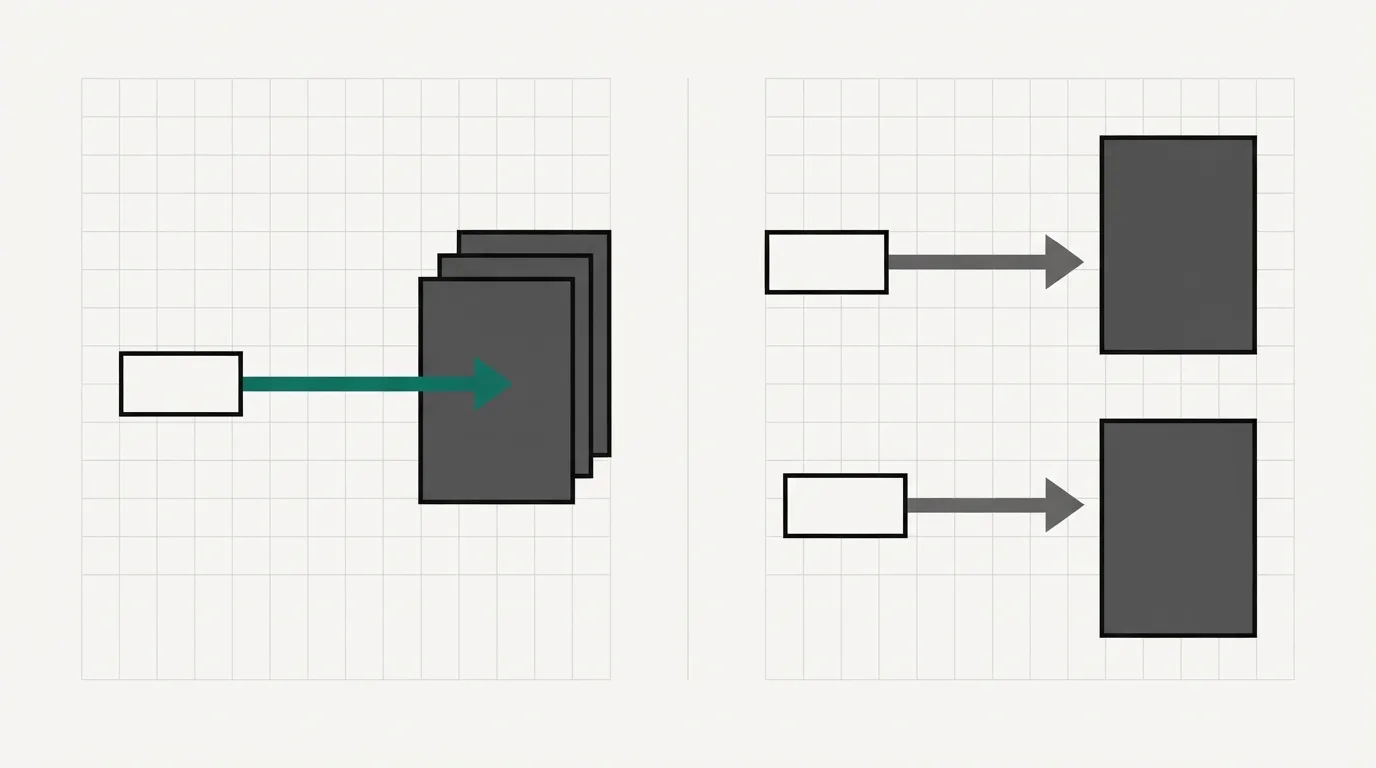
A/B testing landing page software has to do three jobs at once. Keep the destination the ad already learned. Score a form or an order on purpose. Stay inside the traffic you can actually buy. Same-URL split testing is the setup where several versions share that one campaign link.
ElasticFunnels is the pick if you run paid traffic and need several page or funnel-path variants under one campaign URL while scoring winners on revenue. A page test that stops at a form goes to Unbounce Experiment when the traffic fits a visitor cap, and to Leadpages Grow when it does not. The trial button opens ElasticFunnels.
| Tool | Delivery | Starts | Meter | Versions | Win metric |
|---|---|---|---|---|---|
| ElasticFunnels | Server, one URL | Every plan | Page views | 5 | Revenue, profit or EPC |
| Unbounce | One published page | Experiment | 50,000 on Optimize | Unlimited tests | Confidence intervals |
| Leadpages | One published page | Grow | No visitor cap | 6 | Smart Traffic on Optimize |
| ClickFunnels | Pages, steps, email | On the account | Account limits | Per step | The step you attach |
| Kartra | In the builder | Landing pages | Bundle limits | 4 | Orders or revenue |
| Systeme.io | Two variations | Free plan too | Three funnels free | 2 | Leads and sales |
1. ElasticFunnels: best for paid traffic teams testing angles and checkout paths under one ad URL
The variant is chosen before the page is sent. ElasticFunnels' split-testing page says the versions rotate on the server, so Meta, Google and TikTok never see a new URL. A visitor keeps the assigned version for seven days. The table above is where the version cap sits, and the win can be revenue, profit or earnings per click.
That page also says a new public URL means a new ad review and a fresh learning phase. The FAQ on it says the destination never changes during a test, so the ad platform has nothing new to review. Client-side swaps, which load one page and then change it in the browser, are described there as flicker that can break attribution.
Paid-traffic teams are the buyer: an AI builder that can draft a page from a prompt or clone one from a URL, a checkout with order bumps, one-click upsells and subscriptions, and a CRM that reads the same order timeline. The server-side test ships on Starter with that checkout and that CRM. Starter's price and the checkout fee on its own gateways are named on the ElasticFunnels row above the shortlist.
Outside write-ups of these split tests are still scarce. Built since 2023, it is newer than ClickFunnels, Unbounce and Leadpages, and there is very little independent third-party review coverage to check the winner metrics against. Until real orders have run through a test, those metrics are the vendor's account of them. That limit is the public record for the test. Pages, checkout and the rotation are on the account either way. Fourteen days with no card is enough for a media buyer to watch the rotation on their own ads before paying. Detail past the test is in the ElasticFunnels review. The page-builder fork is ElasticFunnels vs Unbounce.
2. Unbounce: best for agencies running frequent page tests with Smart Traffic at scale
Agencies that ship a new page every week live in the builder, and they meet a visitor meter. Unbounce's pricing page puts unlimited A/B testing, dynamic text replacement and confidence intervals on Experiment. Smart Traffic, the AI routing, starts on Optimize. The visitor meters for those two plans are in the table above, and Experiment's price is printed above the shortlist. Starter, the first Unbounce row there, has no A/B tests. Build, the next row, lists none either.
On r/PPC, a practitioner called Unbounce the tool with more control, and more complexity, than Leadpages. The pricing page offers 14 days and does not ask for a card. It does not name an order or a checkout as the thing a test scores. If the money happens after the form, the cart still has to live somewhere else. Builder limits sit in the Unbounce review. Leadpages vs Unbounce puts the traffic caps side by side.
3. Leadpages: best for high-volume Google Ads without visitor caps on the testing tier
High volume is the reason this row exists. Leadpages' pricing page puts manual A/B testing and dynamic text replacement on Grow, with the version cap in the table above, and it does not cap traffic. The same page says most competitors charge at the Experiment price and above for those testing tools. Smart Traffic, heatmaps and multivariate tests start on Optimize, the later Leadpages row up top.
The trial is seven days. Leadpages collects a card at checkout and charges on day seven if you stay. Grow's annual price is the Leadpages row above the shortlist. Instapage now has its own review, for server-side tests inside a visitor allowance, and it sits in the shortlist. Instapage vs Leadpages is where that pair is written up. Paid-traffic readers can use the Leadpages review, the Instapage review and ElasticFunnels vs Leadpages.
4. ClickFunnels: best for course and coaching funnels where email and checkout steps get tested together
A course funnel often loses the sale on the order step, or in the email after the opt-in. The first headline is only one of the places it can fail. ClickFunnels' A/B testing page says the tests come with the account, on landing pages, on funnel steps and on email. Launch, the plan named in the coach block, is where many of those sequences start. The contact cap on that plan is written in the coach block.
Use this when the thing you want to change is a step in the path, including the message after someone opts in. The ClickFunnels review has the template library and the learning curve. When the ad destination is the tie-break, open ElasticFunnels vs ClickFunnels.
5. Kartra: best for creators testing up to four page versions with order-based goals inside a bundle
Kartra lets the goal be a sign-up, an order or revenue, and it lets you weight the traffic yourself. Its landing-page page says a campaign can run up to four distinct page versions. Creators who already keep pages, email, checkout and memberships in that login can score an order without sending the test to a second product. The three Kartra prices are the Essentials, Starter and Growth rows near the top of the page.
The feature page does not name a plan beside those four versions. Bugs and support speed are in the Kartra review. For paid traffic, open ElasticFunnels vs Kartra.
6. Systeme.io: best for free or cheap two-variant tests on a first funnel
Two variations, on a funnel that can start with no card. Systeme.io's funnel page says you can test headlines, designs or offers by splitting traffic between two page variations, and see which one gets more leads and sales. The free plan includes that split. Its other caps, including the three-funnel line in the table, are spelled out in the small-business block.
This is the test while the offer is still a guess. A revenue score tied to the ad click is a later decision, on the tools above. What the free tier leaves out is on the Systeme.io review. Once ads are running, the step up is ElasticFunnels vs Systeme.io.
Which audience gets which test
Paid ads that have to end in a sale on your page
Winner: ElasticFunnels. Buy this when the click, the page version and the order have to stay one record, and the ad has to keep the destination it already learned. The server-side rotation and the revenue score are the first pick above. The scarce outside reviews named there are the limit on trusting those winner metrics until your own sales have run. Pages and checkout are on the account either way.
Runner-up: Unbounce Experiment. Take Experiment when the test is the page, the goal is the form, and Experiment's visitor cap can hold the spend. The sale then has to be recorded in whatever cart sits after that form.
Lead generation on Google Ads, with a form as the goal
Winner: Leadpages Grow. Grow is the testing plan with no visitor cap, which is the meter that matters once a Google Ads account is spending past a monthly visitor line. Manual tests and text replacement start there. The card rule is on the Leadpages pick above.
Runner-up: Unbounce Experiment. Experiment is the Unbounce plan that can actually test. Stay on it while traffic fits that visitor cap. Past the cap, Grow is the plan that does not add another meter. Optimize, on either product, is the later plan that adds automatic routing.
A solo founder with nothing to spend yet
Winner: Systeme.io, before any subscription. The two-variation split is on the account with no card. Use it to see whether one headline or one offer pulls more leads and sales.
Runner-up: Leadpages Grow, after the card trial. Open Grow when two variations are too coarse and you can put a card down for the seven days. The charge date is on the Leadpages pick.
A course or coaching funnel, tested as a path
Winner: ClickFunnels. Choose it when the email and the checkout step belong in the same test as the landing page. The account includes those tests. The coach block is where Launch's limits are written.
Runner-up: Kartra. Choose Kartra when you want the four versions and an order or revenue goal inside the bundle you already mean to keep. Those prices sit with the other plan rows above the shortlist.
What to skip
- Unbounce Starter, bought so you can test. The rows above show no A/B tests on that plan. Build lists none either. Experiment is the first row that includes them.
- A Leadpages plan below Grow, bought so you can test. Manual A/B testing starts on Grow. The plans under it publish pages.
- Two ad sets that differ only by the landing URL. On r/FacebookAds, buyers describe duplicated ad sets as extra variance in delivery and in learning, compared with one ad URL.
- A redirect between two URLs, treated as a settled Meta ban. Buyer threads do not agree on the policy risk, so a ban is not a fact to act on. The sourced complaint is the duplicated ad set.
- Optimizely or VWO, when the only job is the landing page. Each one is another product in the stack. They are outside this ranking. The tools above already rotate versions on the page you publish.
How these split tests were judged
This is a research desk. The order comes from vendor pricing and feature pages, and from long-term user threads. The site-wide rubric is on the methodology page. For this subject the weights run in this order.
- Whether the ad can keep its destination. Shoplift's docs say that changing the URL a running Meta ad points to starts the learning phase over, including a change that promotes the winning version.
- Whether the version is chosen before the page is sent. ElasticFunnels describes a browser swap as flicker and an attribution risk. That is the vendor's contrast with its own server-side assignment.
- Whether the win can be money. A form fill and an order are different decisions. The win-metric column is there so a headline win is not mistaken for a revenue win.
- The traffic meter. Unbounce meters visitors on the plans where tests exist. Leadpages Grow does not. ElasticFunnels meters page views, and those limits are printed with each of its prices.
- The plan where testing actually starts. A cheap row with no tests is a publishing plan. The Starts column is the one to budget.
How to choose a landing page A/B testing tool
If the ad's URL has to stay put, use server-side rotation or an in-product test on one published URL. Leave the final URL on a live winner ad alone. Shoplift's note above is the reason: pointing that ad at a new address, even the winning version, is the change tied to a fresh learning phase.
A form as the only goal can sit on Leadpages or Unbounce. A checkout path in the same test points at ElasticFunnels, ClickFunnels or Kartra, and the win-metric column shows who can score an order.
If traffic will pass Unbounce's visitor caps, look at Leadpages Grow or at ElasticFunnels' page-view limits. Put the numbers into the funnel tool cost calculator, and use the A/B test duration calculator to see whether the daily traffic can finish the run. For the wider fit, the six-question funnel picker returns a pick and a runner-up.
I would keep the ad's destination fixed before I compared monthly prices. A cheaper plan that makes you change the ad's destination spends the learning the current ad already paid for.
What same-URL split testing is
An A/B test shows two or more versions of a page and counts which one wins on a goal you name. Same-URL split testing keeps every version on the address the ad already uses. The server, or the page tool, decides which version that visitor sees. A redirect test sends people to a second address instead.
The learning phase is the period after a destination change when the ad platform is working out who to show the ad to. Shoplift's docs, linked in the rubric above, are the source for a reset of that phase when a running Meta ad gets a new URL. An on-site test that leaves the ad's destination alone is outside that note. Shoplift is a testing company writing about ads, which is a different document from Meta's ad rules. The buyer thread in the skip list is the other source for duplicated ad sets.
How to choose
Work in this order and you will rarely regret the pick. If you would rather answer six quick questions, the funnel tool picker returns a pick and a runner-up for your situation.
- Start from how you sell. A single product, a subscription and a high-ticket call all need different checkouts. Get that right and the page builder matters less.
- Price the plan you will actually be on in six months. The entry plan is the wrong number to budget. Add the per-transaction fees and the overage rates, or put your numbers into our funnel tool cost calculator. A year paid up front is a different question: the annual versus monthly calculator names the month the monthly bills pass that charge. The cut of each sale is in the checkout fee calculator. A page tool plus an email tool plus a checkout, set beside one suite, is the funnel stack cost planner. A roster of client accounts is in the agency cost calculator.
- Check how it split-tests. The landing page split-test picks compare tools on the destination the ad keeps and on the event the test scores. The A/B test duration calculator shows whether your daily traffic can finish the test.
- Ask how you would leave. Check what you can export, what you lose, and what breaks. The easier it is to leave, the safer it is to join. The trial and refund finder lists the card rule, the trial length and the refund window before you start a signup.
What a funnel tool is
A funnel tool is software that builds the sequence of pages a visitor moves through on the way to buying, and takes the payment at the end. At a minimum that means a landing page builder and a checkout. The fuller platforms add a CRM, email or SMS automations, and reporting that ties an ad click to the order it produced.
The category overlaps with plain website builders and with ecommerce storefronts, but the job is narrower and more specific: turn paid traffic into a sale, and tell you which ad did it.
How we rank
We are a research desk. Verdicts come from long-term user reports, the vendor's own docs and pricing, and prices we confirm with the vendor before publishing. We rank in order. There is no numeric score, and we date every fact. The full rubric is set out on our methodology page.
Frequently asked questions
Do I need an all-in-one funnel platform, or separate tools?
What is the cheapest way to launch a funnel?
Will a funnel tool hurt my ad performance?
Do I need dynamic text replacement for Google Ads?
Will A/B testing a landing page reset my Google Ads learning?
Can I see which Google Ads clicks turned into sales?
Can I build a Shopify landing page without installing an app?
What is the best free landing page builder for Shopify?
Does ElasticFunnels replace my Shopify store?
Do I need a WordPress plugin or a hosted landing page tool?
What is the best free landing page builder for WordPress?
Can I split test a WordPress landing page without changing its URL?
Do I need a funnel builder if ClickBank already hosts the checkout?
Is there a free landing page builder for affiliate marketing?
What landing page builder is best for B2B lead generation?
Do Leadpages and Unbounce integrate with HubSpot and Salesforce?
Can I capture leads without paying for a CRM?
How much does sales funnel software cost a small business?
Is a free funnel builder enough for a small business?
How often are these rankings updated?
Which checkout should I use for a digital download?
Where should an online course take payment?
Does A/B testing reset Facebook ad learning?
What is same URL split testing?
Which landing page test is cheapest without a visitor cap?
How do Unbounce and Leadpages compare on split tests?
Can one test cover the checkout and the upsells?
Changelog
What we read
Other sources
33 discussions and reviews read for this page. Quotes are excerpts; open a link to read the original in context.
- [s1] GoHighLevel guide to static landing pages
- [s2] ElasticFunnels CRM and automations
- [s3] Systeme.io CRM pipelines
- [s4] Unbounce integrations
- [s5] r/DigitalMarketingHack: a cheap alternative to ClickFunnels
- [s6] r/Entrepreneur: ClickFunnels, could this work
- [s7] r/PPC: landing page tools for lead gen
- [s8] r/PPC: Unbounce or Leadpages
- [s9] SamCart pricing
- [s10] ThriveCart monthly pricing
- [s11] ClickFunnels Smart Checkout
- [s12] Kajabi pricing
- [s13] Systeme.io pricing
- [s14] Kartra plans and pricing
- [s15] ElasticFunnels
- [s16] r/elearning on selling with Kajabi
- [s17] r/martechstacks on ThriveCart and SamCart
- [s18] Kajabi
- [s19] ClickFunnels
- [s20] ClickFunnels pricing
- [s21] Kartra
- [s22] r/SaaS on a first platform for course creators
- [s23] r/SaaS on long-term ClickFunnels use
- [s24] r/SaaS on long-term Kajabi use
- [s25] r/SaaS on ClickFunnels and GoHighLevel
- [s26] ElasticFunnels split testing
- [s27] Unbounce pricing
- [s28] Leadpages pricing
- [s29] ClickFunnels A/B testing
- [s30] Systeme.io sales funnels
- [s31] Kartra landing page builder
- [s32] Shoplift on A/B tests and ads
- [s33] r/FacebookAds on landing page tests
Related
- Funnel tool Black Friday deals 2026. Holiday prices GoHighLevel, Kajabi and Leadpages publish on their own pages.
- First-year sale calculator. A discounted year plus later renewals, beside paying monthly.
- Which funnel tool fits you: a 6-question picker
- Funnel tool cost calculator
- Annual versus monthly calculator
- Funnel stack cost planner
- Checkout fee calculator
- Agency cost calculator
- A/B test duration calculator
- Trial and refund finder
- Free plan limits finder. Which cap ends a $0 funnel or landing-page plan, and which tools only offer a trial.
- What each funnel trial actually costs
- All reviews
- Head-to-heads
- Alternatives
- How we rank

Written by
Marta Ovalle
Editor, funnel & checkout tools
Marta Ovalle leads Funnel Critic's coverage of funnel builders and checkout platforms. She reads the long-running threads where operators compare tools after months of live ad spend, cross-checks every claim against the vendor's own docs and pricing pages, and confirms prices with each vendor before a verdict goes live. She writes most of the roundups and pricing pages, and she decides when a ranking changes.