The month a yearly funnel plan costs less
Find the month a yearly charge becomes the smaller bill, and how much of that charge sits past a money-back window.
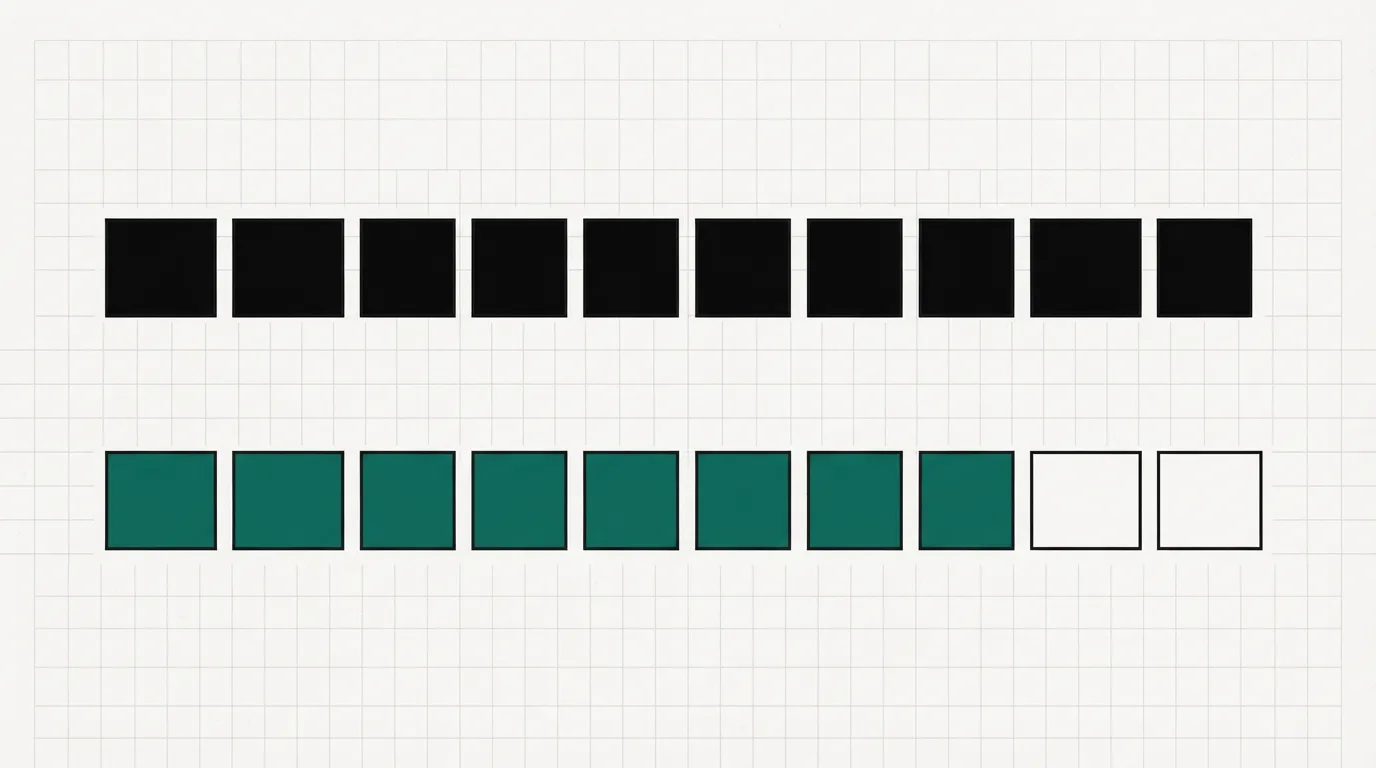
A yearly funnel plan in this set usually costs as much as ten monthly payments. The monthly bills pass that charge in month 11. If you cancel before that month, paying month to month costs less, because the full year is charged on day one.
Founders lock in a yearly plan at Black Friday, and again when they write the January budget. Two numbers settle the decision: the break-even month, and how many days of the prepay a published money-back guarantee still covers. The funnel tool cost calculator prices one month at your list size and your traffic. Card rules, trial length and the published money-back line are in the trial and refund finder.
Treat the result as a planning estimate for a budget conversation, not as tax or accounting advice.
Annual vs monthly billing for funnel tools
Pick a plan, or type a month-to-month rate and a yearly total. Months run from 1 to 24.
If the estimate does not appear, the Launch and Startup sections below walk through the same test.
How the month is worked out
Add the month-to-month rate until the running total is higher than one yearly charge.
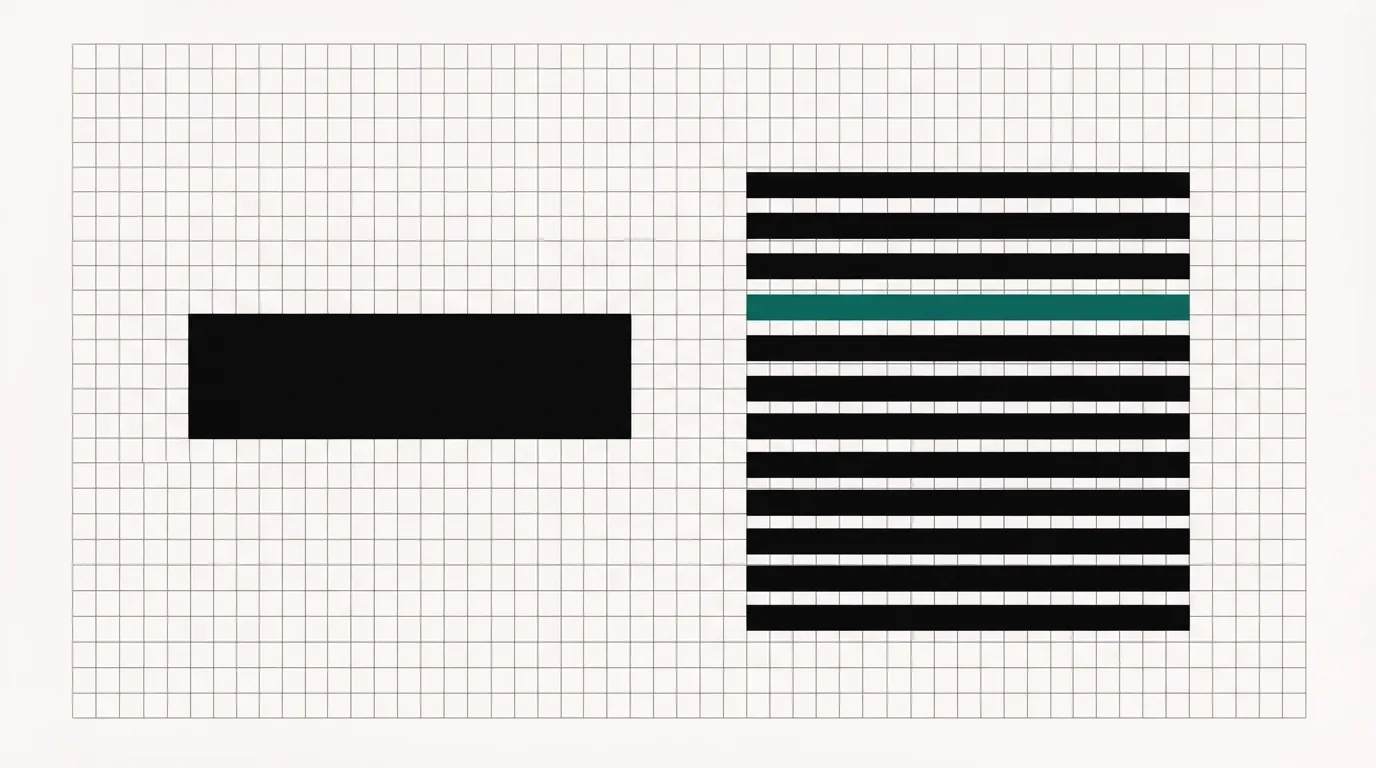
The test ignores percents printed on a toggle. It uses two numbers you can point at: the month-to-month rate, and the amount billed for the year. The break-even month is the first month where that rate, multiplied by the month count, is greater than the yearly total. A yearly charge equal to ten payments matches at month 10. Month 11 is when you have paid more by staying month to month. Across twelve months the gap is those two payments, about 17 percent of the month-to-month total.
A toggle labeled two months free uses the same math under a friendlier name. You keep the account for twelve months and pay for ten. The form runs that comparison on a preset or on amounts you type. When a year sits at or above twelve payments, the result names month-to-month as the lower bill across a full year.
The months field stops at 24. Past month 12, the yearly side counts a fresh prepay at the start of each year you enter. An 18-month stay starts a second prepay at month 13. Six further months invoiced one at a time cost less than that second prepay. Someone who stays 13 to 21 months can pay less on monthly billing, even after those payments have already passed one yearly charge.
Trial days and money-back days stay out of the arithmetic. They fill a note under the totals. When the year is collected on day one, a refund window of a few weeks covers only the start of that year. The rest of the prepay is treated as spent in that note. Type the days from the vendor's own pricing page.
ClickFunnels Launch, month by month
How long you must stay is the part the card leaves out.
ClickFunnels pricing lists Launch at $97 a month or $970 a year, and the card prints Save $194/year, which is two of those monthly payments. Month 10 matches that yearly charge. Month 11 is when paying monthly costs more, at $1,067. A full year of monthly payments comes to $1,164. The help article on current and legacy plans says the same thing in words: you save more with annual billing, because the yearly plan costs less per month than paying monthly.
The pricing FAQ on that page says yes, there is a 30-day money-back guarantee. That is the refund window the pricing FAQ states for a membership. It closes long before a year paid on day one is used up. After those 30 days, this estimate treats the rest of that yearly charge as spent.
Stay 18 months and the picture flips again. Two of those yearly charges are $1,940. Eighteen monthly payments are $1,746. The second year, collected in full at month 13, costs more than the six extra months you actually use. For a stay of 18 months, use the form. A 12-month comparison counts only one upfront payment.
Scale on the same card is $197 a month or $1,970 a year, and it prints Save $394/year. Scale works the same way at a higher price. The totals match at month 10, and monthly costs more from month 11. Dominate is $5,997 for the year and has no monthly price, so there is no month to compute. The preset still shows the yearly charge, and it leaves the monthly field empty.
One buyer on a public forum wrote that the card was charged $1,800 for the entire year and that the charge was not refunded. The amount sits nearer a higher tier than Launch. It is one report. It is also the risk you take once that 30-day window has closed. Plan details and the current cards are on the ClickFunnels pricing page.
Systeme.io yearly totals
The pricing toggle says 2 months free. The affiliate page lists the three yearly amounts.
Systeme.io pricing puts annual billing next to the words 2 months free on the paid plans. Pay for ten months, keep the login for twelve. The affiliate program page lists the invoices that match. Startup is $170 a year, with $34 in annual savings, shown against $17 a month. Twelve times $17 is $204. Webinar is $470 a year against $47 a month. Unlimited follows the same two-month gap, and Unlimited's year is in the table.
Startup matches its yearly charge at month 10 and passes it at month 11, the same month as Launch. The invoice is much smaller than Launch, and you still have to stay through the same month. Someone choosing Startup because it looks cheap still has to be on the account in month 11 before the prepay is the smaller bill.
A reader on a Systeme.io forum thread liked the price and still moved. They had another stack set up within a week. A price that looks right in the first days is a weak reason to prepay a year. Month-to-month billing fits a trial you might quit. A refund for unused months on a Systeme.io annual plan is not part of this calculation. Plan caps and the free tier sit on the Systeme.io pricing page.
The other yearly charges in the form
Every row below is a preset in the calculator. The last column shows when total monthly payments first exceed one yearly charge.
| Plan | Monthly | Yearly | Passes in |
|---|---|---|---|
| ClickFunnels Launch | $97 | $970 | Month 11 |
| ClickFunnels Scale | $197 | $1970 | Month 11 |
| ClickFunnels Dominate | Yearly only | $5997 | Yearly only |
| Systeme.io Startup | $17 | $170 | Month 11 |
| Systeme.io Webinar | $47 | $470 | Month 11 |
| Systeme.io Unlimited | $97 | $970 | Month 11 |
| Kartra Starter | $119 | $1188 | Month 10 |
| Kartra Growth | $229 | $2268 | Month 10 |
| GoHighLevel Starter | $97 | $970 | Month 11 |
| GoHighLevel Unlimited | $297 | $2970 | Month 11 |
| GoHighLevel Agency Pro | $497 | $4970 | Month 11 |
| Kajabi Basic | $179 | $1716 | Month 10 |
| Kajabi Growth | $249 | $2388 | Month 10 |
| SamCart Pro | $199 | $1790 | Month 9 |
| Leadpages Pro | $20 | $192 | Month 10 |
| Leadpages Grow | $67 | $643.20 | Month 10 |
| Leadpages Optimize | $135 | $1296 | Month 10 |
| ElasticFunnels Starter | $97 | $937 | Month 10 |
| ElasticFunnels Growth | $197 | $1891 | Month 10 |
| ElasticFunnels Scale | $497 | $4771 | Month 10 |
Kartra labels the yearly control "Yearly Save up to 22%". Starter costs $119 a month. On the annual toggle the rate is $99 a month, and twelve of those payments are $1,188. Growth is $229 a month, or $189 a month on a yearly plan, $2,268 for the year. Those amounts equal twelve times the discounted monthly rate, so you come out ahead in month 10. On Essentials, the 5 percent of sales still applies when the yearly control is on.
Kajabi labels the yearly toggle Save 20%. The Basic card prints SAVE $432/YEAR. That gap is twelve months at $179 against the $1,716 yearly total, which the card also shows as $143 a month. Growth is $249 a month, with the year at $2,388.
GoHighLevel lists Starter at the same two prices as Launch. Unlimited is $297 a month, or $2,970 a year on this site's plan list. That year equals ten payments. Agency Pro is $497 a month and $4,970 a year, which is the other yearly total printed on that pricing page.
SamCart marks the yearly toggle Yearly (25% OFF). Pro is $199 a month, and the yearly checkout that toggle opens is $1,790, which nine monthly payments just pass.
Leadpages says pay annually and save 20%, billed once per year. The presets use the comparison-table figures already on the Leadpages plan list: Pro $20 a month and $192 for the year, Grow $67 and $643.20, Optimize $135 and $1,296. The same pricing page says the Black Friday price covers your first year only. Model the renewal with the standard yearly charge in the table. Holiday offers that name a rate are on the funnel Black Friday deals page.
ElasticFunnels is a funnel platform for teams running paid traffic: pages, checkout and the customer record on one timeline. The public pricing page lists monthly billing only and says there are no contracts, monthly billing, cancel any time. The yearly figures in its rows come from the verified plan record. Starter is $937, Growth is $1,891, and Scale is $4,771. On Starter, ten months at that row's rate come to more than $937. You come out ahead in month 10, one month earlier than on a plan priced at exactly ten monthly payments. It is newer than the platforms beside it, and there is very little independent review coverage to set next to the vendor's own pages. Until you run real volume through it, you are largely taking the vendor's word for how the product behaves, because few independent reviews exist to check it against. The prices in the row can still be set side by side, and the trial on the verified record is 14 days with no card.
When the yearly charge is the bill to pay
Pay for the year after the trial is over and you expect the account to still be in use once those payments have cleared the yearly charge. On a ten-payment year, that point is month 11. The form prints that month for the pair of figures you entered.
Keep a first-year sale out of the renewal unless the vendor has printed a renewal price. Leadpages is the clear case in this set: the sale covers the first year only. The discounts in the table are the ones that renew. An expiring sale is a separate invoice.
Pay for the full year when you will still send traffic to that platform for all twelve months. If you build one funnel and then leave, keep the monthly invoice. The second prepay at month 13 punishes a plan you only half-used.
My take: I'd judge a yearly charge by whether the account will still be open in the month the table names. I would skip it while the shortlist is still open.
When the monthly invoice is the safer bill
Stay month to month while you are still choosing among tools, or while you might close the account before the month in the last column. At month 6 on a ten-payment year, six payments are all you have spent. The yearly path charges you for ten months on day one.
Choose monthly billing when you want the published money-back window to apply to the payment in front of you. ClickFunnels puts 30 days on the pricing FAQ. A year collected up front leaves most of that charge outside those 30 days. One buyer wrote that ClickFunnels charged $1,800 for the year and would not refund it. A Systeme.io user left within a week. Those two reports are why the refund note appears under the savings.
If the stack is still unsettled, the 6-question picker is the short route to a tool, and the funnel stack cost planner sets one suite beside a page tool, an email tool and a checkout. Transaction cuts are a separate line in the checkout fee calculator. A roster of client accounts belongs in the agency cost calculator.
Questions on yearly and monthly billing
Is annual billing worth it for ClickFunnels?
What is the Systeme.io annual plan discount?
What is a typical funnel tool annual plan discount?
Does an annual plan lock the account?
What we read
Other sources
12 discussions and reviews read for this page. Quotes are excerpts; open a link to read the original in context.
- [cf-price] ClickFunnels pricing
- [cf-help] ClickFunnels help: legacy and current plan prices
- [cf-thread] A buyer on a full-year ClickFunnels charge
- [sys-price] Systeme.io pricing
- [sys-aff] Systeme.io affiliate program, yearly totals
- [sys-thread] A Systeme.io user who left within a week
- [kartra] Kartra plans and pricing
- [kajabi] Kajabi pricing
- [ghl] GoHighLevel pricing
- [samcart] SamCart pricing
- [leadpages] Leadpages pricing
- [ef] ElasticFunnels pricing
The ranked list lives on the Best of page. Prices in the table are the ones each vendor prints for a standing yearly bill. Leadpages follows the comparison table on its plan list here, and a first-year sale is handled on the deals page linked above. The two forum notes are single reports.

Written by
Marta Ovalle
Editor, funnel & checkout tools
Marta Ovalle leads Funnel Critic's coverage of funnel builders and checkout platforms. She reads the long-running threads where operators compare tools after months of live ad spend, cross-checks every claim against the vendor's own docs and pricing pages, and confirms prices with each vendor before a verdict goes live. She writes most of the roundups and pricing pages, and she decides when a ranking changes.
Last checked 2026-11-23
Comments
No comments yet. Questions and your own experience are welcome.
Thank you. Your comment will appear once it has been reviewed.